What AI Product Photography Actually Solves for Fashion Ecommerce
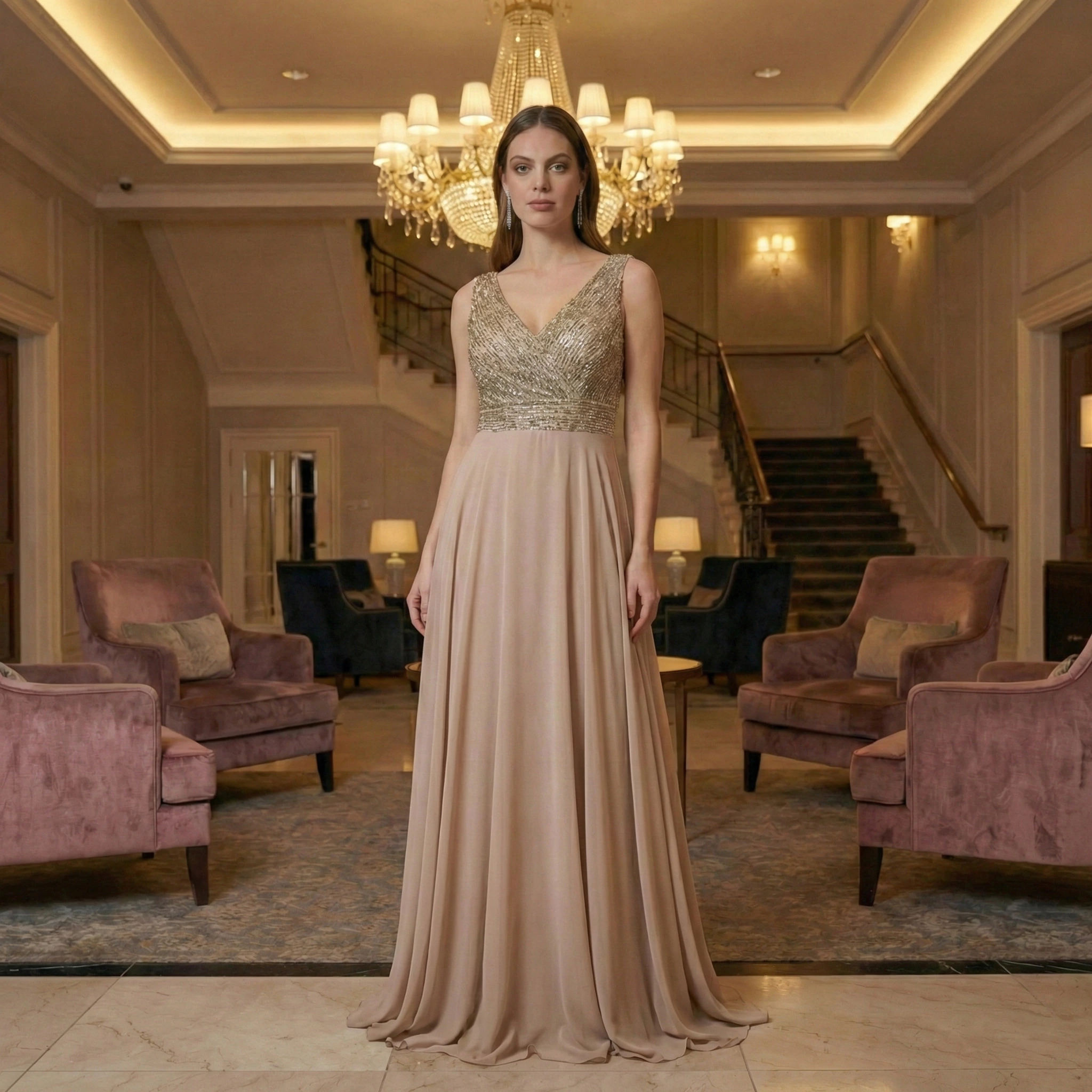
AI product photography is often discussed in extremes. It is either framed as a full replacement for traditional photoshoots or dismissed as a risky shortcut that compromises trust. Both views miss the practical reality.
For fashion ecommerce, AI product photography solves specific operational problems. It does not solve all of them. Understanding where AI creates real leverage, and where it does not, is critical for founders who want to use it responsibly and profitably.
This article focuses on what AI product photography actually solves in fashion ecommerce, without hype and without overselling its role.
The Core Problem AI Product Photography Addresses
Fashion ecommerce struggles with three structural constraints:
- High cost of traditional photoshoots
- Slow iteration cycles
- Difficulty maintaining visual consistency at scale
AI product photography is most valuable where these constraints limit growth, testing, or operational efficiency.
It is not primarily a creative tool. It is a scalability tool.
Problem 1: Cost of Producing Product Images at Scale
Traditional fashion photography scales poorly.
As catalogs grow, costs increase across:
- Studio time
- Models and stylists
- Logistics and coordination
- Post-production and retouching
AI product photography reduces marginal cost per image. Once a workflow is established, generating additional images becomes significantly cheaper than organizing repeated shoots.
This matters most for:
- Brands with large or frequently changing catalogs
- Sellers testing multiple SKUs or colorways
- Marketplaces where image completeness affects ranking
Lower cost enables broader visual coverage, which directly improves clarity and reduces returns.
Problem 2: Speed of Launching and Updating Listings
Speed is a competitive advantage in fashion ecommerce.
AI product photography shortens the time between:
- Product readiness and listing
- Feedback and iteration
- Underperforming images and improvements
This allows brands to:
- Launch faster without waiting for full shoots
- Update images based on performance data
- Respond to seasonal or trend-driven demand quickly
Faster iteration does not guarantee success, but slow iteration almost guarantees missed opportunities.
Problem 3: Visual Consistency Across Large Catalogs
Consistency is difficult to maintain with traditional photography, especially over time.
Variations in:
- Lighting conditions
- Models
- Styling
- Camera setup
create subtle inconsistencies that shoppers notice subconsciously.
AI workflows can enforce consistency by standardizing:
- Poses
- Backgrounds
- Lighting environments
- Camera distance and framing
This consistency improves perceived professionalism and reduces cognitive friction during comparison.
Problem 4: Expanding Image Coverage Without Reshoots
Many fashion listings lack complete visual coverage because reshooting is expensive and time-consuming.
AI product photography makes it easier to:
- Add missing angles
- Generate consistent views across variants
- Fill visual gaps that cause hesitation
This directly addresses common conversion and return drivers related to incomplete information.
Problem 5: Enabling Testing Without Large Upfront Commitments
AI lowers the barrier to experimentation.
Brands can test:
- Different image orders
- Alternative poses or crops
- New product presentations
- Market-specific image styles
without committing to full reshoots.
This shifts imagery from a fixed cost to a flexible variable, which aligns better with data-driven ecommerce operations.
What AI Product Photography Does Not Solve
Understanding AI limitations is as important as understanding its strengths.
AI does not inherently solve:
- Poor product design or fit
- Inaccurate representation of fabric behavior
- Ethical or legal considerations around representation
- Buyer trust if outputs are unrealistic or misleading
AI is only as effective as the standards applied to its output. When used to exaggerate, obscure, or stylize beyond reality, it increases return risk instead of reducing it.
Where AI Creates the Most Value in Practice
AI product photography performs best when used to:
- Supplement real product images, not replace all of them
- Standardize presentation across catalogs
- Accelerate iteration cycles
- Reduce cost friction for image completeness
It performs worst when used to create images that no longer reflect the physical product accurately.
How Founders Should Evaluate AI Solutions
When assessing AI product photography tools, founders should ask:
- Does this improve clarity or just appearance?
- Can outputs remain consistent across products?
- How easily can images be updated or corrected?
- Does this reduce operational bottlenecks?
The value lies in workflow integration, not novelty.
Final Takeaway
AI product photography is not a creative shortcut or a magic solution. It is an operational tool that addresses specific pain points in fashion ecommerce.
Used correctly, it reduces costs, increases speed, and improves consistency. Used carelessly, it introduces risk and erodes trust.
For fashion founders, the real opportunity is not replacing photography. It is building image systems that scale without sacrificing accuracy.
Transform your fashion photography!!
Start Creating with AIRead Next
The Order of Images That Maximizes Conversion on Fashion Product Pages
For fashion ecommerce, conversion does not depend on how many product images you show or how visuall...
How Shopify Image Rendering Affects Fabric and Texture Perception
In fashion ecommerce, fabric is value. Weight, softness, thickness, stretch, drape, and finish all ...
How Visual Clarity Beats Aesthetics in Fashion Ecommerce Conversion
Fashion brands often believe that better aesthetics automatically lead to higher conversion. Cleaner...