How Fashion Founders Should Decide Between Speed and Image Perfection
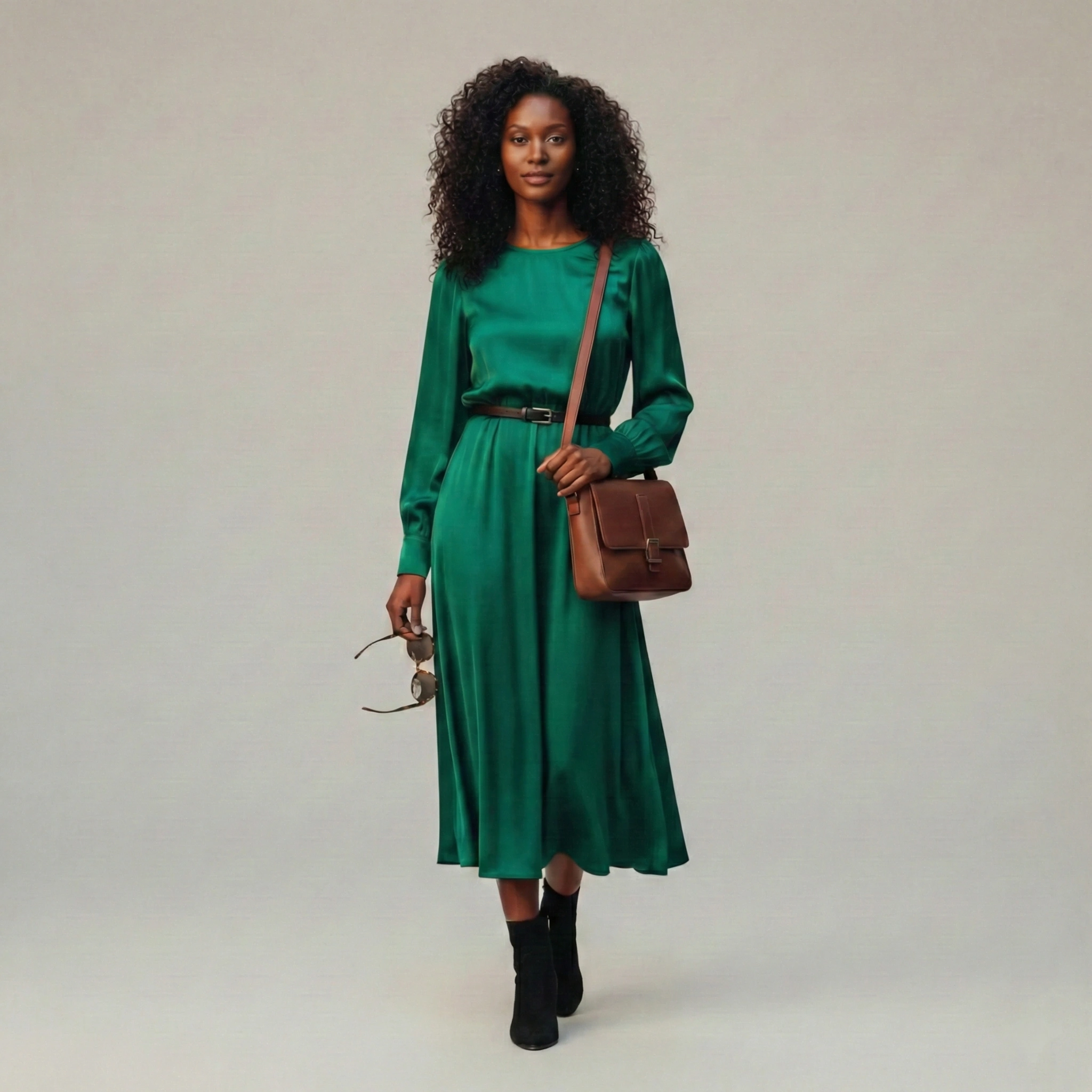
Every fashion founder eventually faces the same operational dilemma: launch and iterate quickly with imperfect product images, or delay in pursuit of visual perfection.
This decision is often framed as a creative or branding question. In practice, it is a strategic tradeoff that affects cash flow, learning velocity, return risk, and long-term scalability. Making the wrong call at the wrong stage can slow growth or lock the business into inefficient cost structures.
This article outlines how fashion founders should evaluate speed versus image perfection based on business stage, channel strategy, and risk tolerance.
Why This Tradeoff Exists in Fashion Ecommerce
Fashion ecommerce compresses multiple pressures into a single workflow:
- Customers expect visual clarity and trust
- Trends and demand cycles move quickly
- Inventory decisions are expensive and often irreversible
- Images directly influence conversion and returns
Image perfection requires time, coordination, and budget. Speed enables learning but introduces visual risk. Founders must decide which risk is more dangerous at a given moment.
There is no universal answer. There is only contextual judgment.
When Speed Should Take Priority
Speed matters most when the primary goal is validation, not optimization.
This is typically the case when:
- Launching a new brand or sub-brand
- Testing a new product category or silhouette
- Entering a new sales channel
- Operating with limited capital or inventory flexibility
At this stage, product images need to meet a minimum standard:
- Clear representation of the product
- Accurate color and proportions
- Sufficient angles to reduce obvious uncertainty
They do not need to be visually perfect or fully aligned with a long-term brand system. The objective is to learn what sells, what returns, and what resonates.
Delaying for perfection before demand is proven often slows learning more than it improves outcomes.
The Hidden Cost of Waiting for Perfect Images
Founders often underestimate the opportunity cost of delay.
Waiting for image perfection can result in:
- Lost revenue during critical launch windows
- Slower feedback from real customers
- Inventory sitting idle
- Capital tied up in production instead of testing
Early-stage image perfection is usually based on assumptions rather than data. Without customer behavior to guide decisions, perfection becomes subjective and fragile.
When Image Perfection Becomes a Strategic Requirement
As brands scale, the tolerance for imperfection drops.
Image perfection becomes more important when:
- Paid acquisition becomes a primary growth channel
- Conversion rate improvements compound materially
- Brand perception influences pricing power
- Return rates begin to affect margins at scale
- Multiple products and collections must appear cohesive
At this point, images are no longer just sales assets. They become infrastructure that supports predictable performance.
Inconsistent or rushed visuals at scale introduce confusion, erode trust, and create operational drag.
Channel Expectations Change the Equation
The correct balance between speed and perfection depends heavily on where you sell.
For example:
- Marketplaces prioritize clarity, compliance, and completeness over aesthetics
- Direct-to-consumer stores place more weight on brand coherence and trust signals
- Wholesale and B2B buyers expect consistency and professionalism across catalogs
Founders should calibrate image standards by channel, not by personal preference or internal taste.
Understanding Diminishing Returns in Image Quality
Not all improvements deliver equal value.
The first investments in imagery usually:
- Remove ambiguity
- Improve comprehension
- Reduce perceived risk
Later investments often:
- Enhance mood or style
- Improve visual polish
- Increase internal satisfaction more than customer confidence
Founders should continually ask:
- Does this improvement reduce uncertainty?
- Does it materially affect conversion or returns?
- Or does it primarily make the images feel more refined?
If the improvement does not change buyer behavior, it may not justify the delay or cost.
Using Iteration to Balance Speed and Quality
High-performing fashion brands rarely choose speed or perfection permanently. They use iteration to balance both.
A common pattern:
- Launch with clear, accurate baseline images
- Monitor conversion, scroll behavior, and returns
- Identify where visual uncertainty causes friction
- Upgrade images selectively where impact is highest
This approach turns imagery into a performance lever instead of a bottleneck.
How AI and Modern Tools Shift the Tradeoff
AI-powered tools and automation can reduce the cost of iteration, but they do not eliminate the need for judgment.
They are most effective when used to:
- Accelerate testing cycles
- Reduce reshoot costs
- Maintain consistency across growing catalogs
They are less effective when used to shortcut clarity or accuracy.
Speed gained at the expense of trust eventually shows up in returns and brand erosion.
A Practical Decision Framework for Founders
To decide between speed and image perfection, founders should evaluate:
- Business stage and cash constraints
- Primary sales channels and traffic sources
- Cost of delaying launch versus cost of visual inconsistency
- Sensitivity of the product to fit, fabric, and color risk
If delaying costs more than imperfection, move faster.
If imperfection costs more than delay, invest in quality images.
Final Takeaway
Speed and image perfection are not opposing values. They are tools used at different moments in a fashion brand’s lifecycle.
Strong founders do not chase perfect images too early or ignore quality too long. They build systems that allow images to improve as the business earns the right to invest more.
The goal is not to look perfect on day one.
The goal is to grow without visual friction slowing progress.
Transform your fashion photography!!
Start Creating with AIRead Next

How to Optimize Fashion Product Photos for Shopify and Amazon Listings
Fashion ecommerce is highly visual, and product photos often determine whether a shopper clicks, scr...
10 Image Optimization Hacks That Reduce Returns for Fashion Ecommerce Sellers
Returns are one of the biggest profit killers in fashion ecommerce. In most cases, customers do not ...
How to Combine AI Images and Real Photos Without Losing Trust
As AI product photography becomes more accessible, many fashion brands face a practical question: ho...