Why Inconsistent Product Photos Hurt Fashion Brands More Than Price
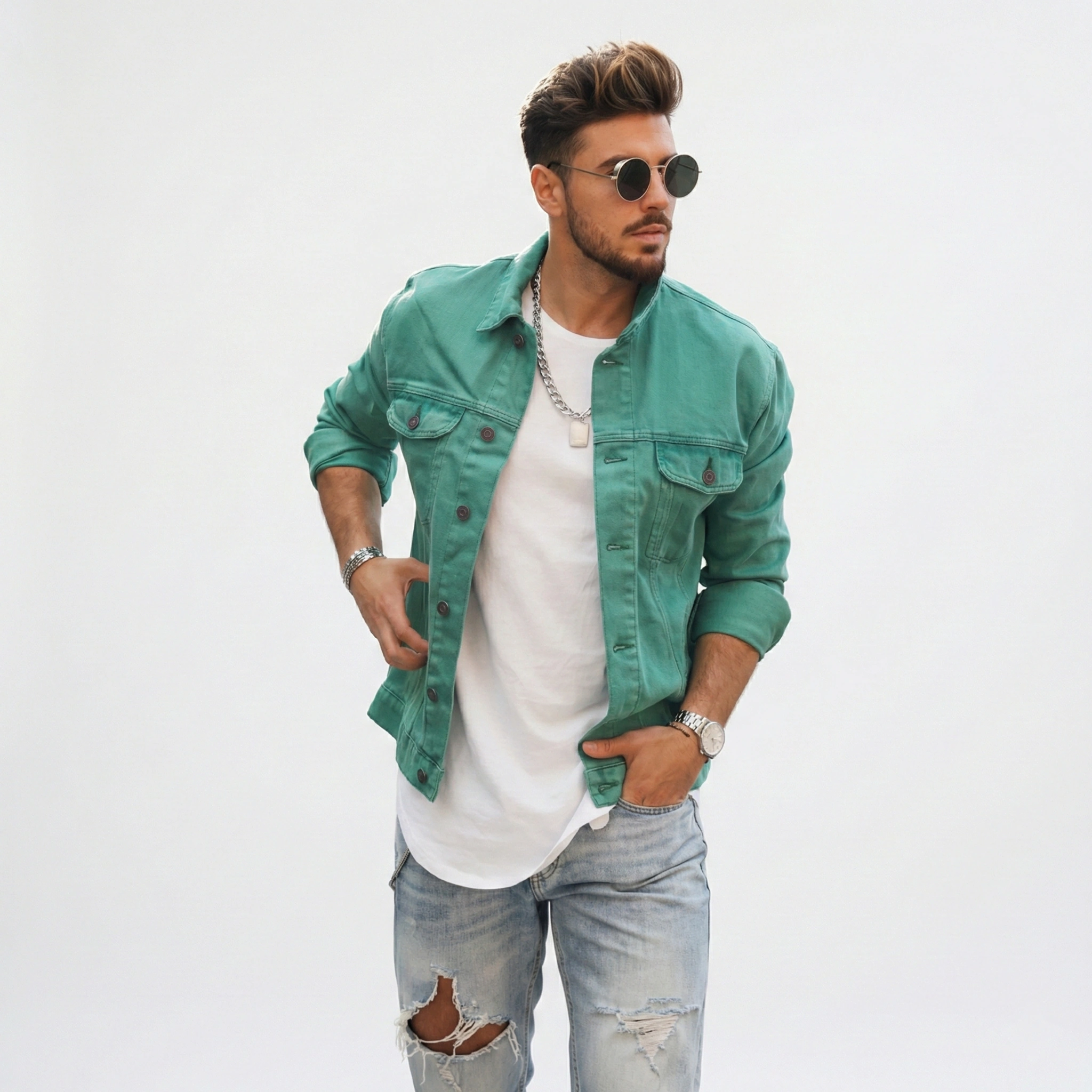
Many fashion brands assume that price is the primary reason customers hesitate, abandon carts, or switch to competitors. In reality, something far more damaging often happens earlier in the buying journey.
Inconsistent product photos.
When product images vary in lighting, model type, framing, or overall quality, customers lose confidence before they even evaluate price. In fashion ecommerce, trust is built visually, and inconsistency quietly erodes it.
This article explains why inconsistent product photos harm fashion brands more than pricing decisions and how visual consistency directly affects conversions, returns, and long-term brand value.
Why visual trust matters more than price in fashion ecommerce
Fashion purchases are high-risk decisions for shoppers. Customers cannot try garments on, feel fabric, or assess quality in person. As a result, trust must be established digitally.
Before comparing prices, shoppers ask themselves:
- Does this brand feel reliable
- Do these products look professionally presented
- Can I trust that what I see is what I will receive
When visuals feel inconsistent, those questions are answered negatively, regardless of price.
A lower price cannot compensate for uncertainty.
What inconsistency looks like on fashion websites
Inconsistent product photography appears in several common ways:
- Different lighting styles across products
- Multiple model types without clear intent
- Varying backgrounds and color tones
- Inconsistent cropping and framing
- Mixed image quality between collections
Each inconsistency may seem minor on its own. Together, they create friction and reduce buyer confidence.
How inconsistency increases hesitation and comparison
When visuals are inconsistent, shoppers struggle to compare products accurately. They are forced to question whether differences are due to design or photography.
This uncertainty causes:
- Longer decision times
- Increased comparison with other brands
- More abandoned carts
- Higher likelihood of leaving the site
Instead of focusing on style or fit, shoppers focus on resolving confusion.
The hidden impact on conversion rates
Consistent product photos create a predictable experience. Shoppers know what to expect as they browse.
Inconsistent visuals disrupt that flow. Each product page feels like a new decision environment, which increases cognitive load and reduces conversion rates.
Brands with visually consistent catalogs often see:
- Higher add-to-cart rates
- Shorter decision cycles
- More confident first-time purchases
The improvement comes from clarity, not persuasion.
Why inconsistency leads to higher return rates
Returns are often labeled as:
- Not as described
- Looked different in person
- Did not meet expectations
These reasons frequently stem from inconsistent imagery.
When one product is photographed in soft lighting and another in harsh lighting, customers form different expectations. When models vary significantly in height or body type without context, fit expectations shift.
Consistency helps align expectations across the entire catalog. When expectations are aligned, returns decrease.
The brand perception cost of inconsistent images
Fashion brands are judged holistically. Customers do not evaluate each product in isolation.
Inconsistent visuals signal:
- Lack of attention to detail
- Operational immaturity
- Unreliable quality standards
Even when products themselves are well-made, inconsistent imagery lowers perceived value and makes the brand feel less established.
This perception affects repeat purchases and long-term loyalty.
Why consistency matters more as catalogs grow
As fashion catalogs expand, inconsistency becomes more visible and more damaging.
With more products:
- Differences are easier to spot
- Comparisons happen more frequently
- Trust is tested repeatedly
Without a defined visual system, growth amplifies inconsistency instead of brand strength.
What visual consistency actually means
Visual consistency does not mean every image looks identical. It means key elements are standardized so shoppers can evaluate products easily.
Consistency includes:
- Similar lighting and color balance
- Consistent model presentation or clear variation logic
- Uniform framing and crop ratios
- Predictable image order across product pages
These elements create a visual rhythm that shoppers quickly understand.
How consistent product photos improve brand performance
When fashion brands implement visual consistency, the impact is measurable.
Consistent imagery leads to:
- Higher conversion rates
- Lower return rates
- Improved review sentiment
- Stronger brand recognition
- Greater trust from first-time buyers
The benefit compounds over time as customers become familiar with the visual language of the brand.
Why visual systems outperform one-off photoshoots
One-off photoshoots often prioritize creativity over scalability. While they may look impressive, they frequently introduce inconsistency when new products are added later.
A visual system prioritizes:
- Repeatability
- Scalability
- Speed
- Consistency across collections
Brands that think in systems rather than individual shoots maintain quality as they grow.
Final takeaway
Price influences decisions, but trust enables them.
In fashion ecommerce, trust is built visually. Inconsistent product photos undermine that trust long before pricing is considered.
Brands that invest in visual consistency create clarity, reduce hesitation, and strengthen long-term brand perception. Over time, this consistency becomes a competitive advantage that pricing alone cannot replace.
For fashion brands focused on sustainable growth, consistency is not a design preference. It is a performance strategy.
Transform your fashion photography!!
Start Creating with AIRead Next
How Product Image Depth Influences AOV in Shopify Stores
Most Shopify fashion brands think about product images in relation to conversion rate. Very few con...
How Fashion Brands Can Use AI Models to Reduce Photoshoot Costs and Scale Faster
Fashion brands operate in a high-pressure environment where speed, cost efficiency, and visual quali...
Why Shopify Theme Cropping Decisions Hurt Mobile Conversion
Most Shopify fashion founders evaluate their product images on desktop. Most shoppers evaluate them...