12 Essential Ways for Fashion Brands to Improve Their Website and Strengthen Their Brand in 2026
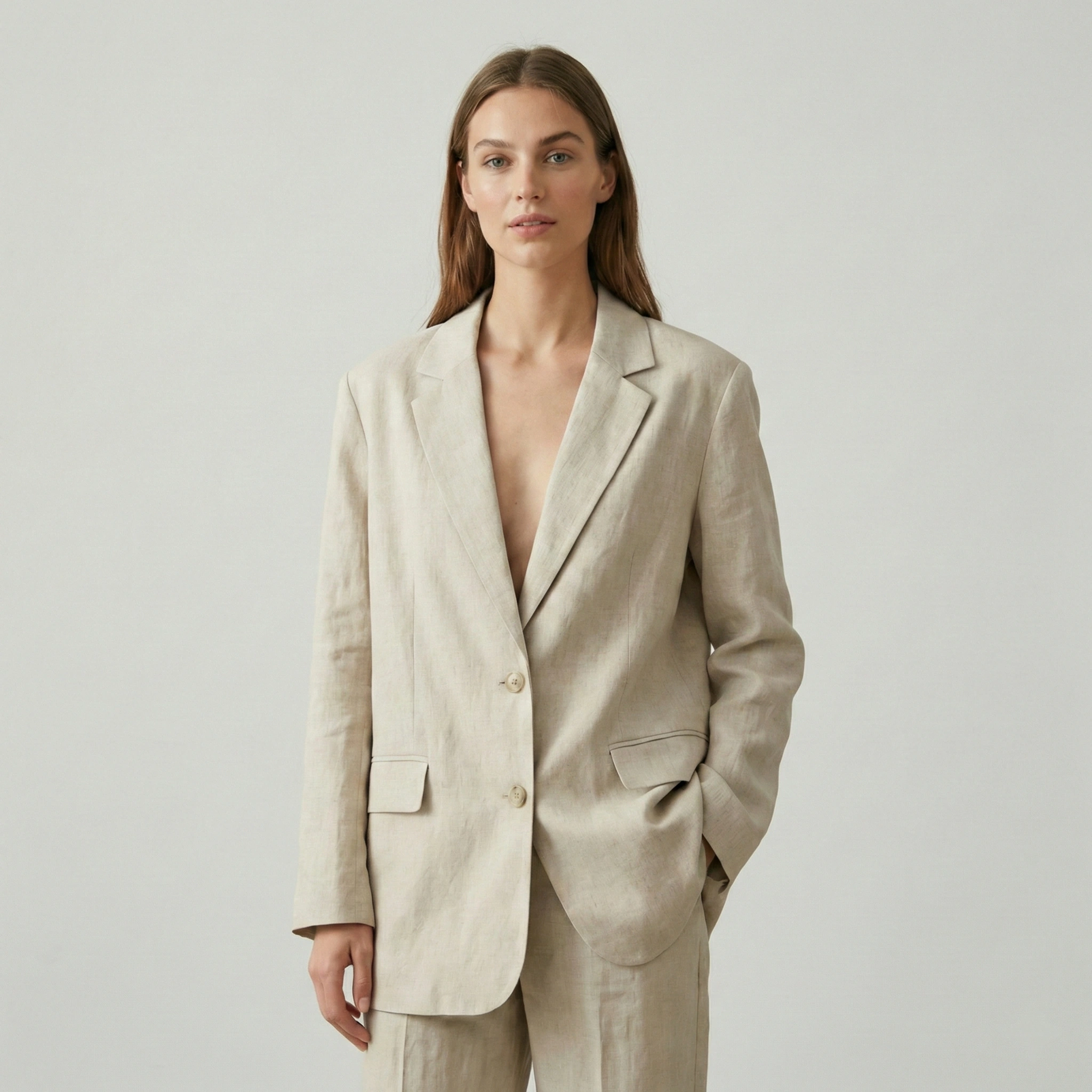
The fashion industry is more competitive than ever. New brands launch daily, trends evolve quickly, and shoppers expect a polished, intuitive online experience from the first click.
In fashion ecommerce, your website is not just a store. It is your showroom, brand voice, and trust builder. Visual quality, ease of navigation, and clarity all directly influence whether shoppers explore further or leave.
This guide outlines twelve essential ways fashion brands can improve their websites and strengthen their brand presence in 2026, based on how real customers browse, evaluate, and buy fashion online today.
Whether you run a Shopify store, a DTC fashion brand, or a boutique label, these improvements can drive higher engagement, better conversions, and long-term loyalty.
1. Design the full customer journey intentionally
Fashion purchases combine emotion and logic. Planning the full user journey helps you identify where excitement builds, where hesitation appears, and where reassurance is needed.
A strong journey considers:
- How shoppers discover your brand
- How they browse collections
- How they evaluate fit, style, and price
- What builds trust before checkout
Mapping this journey allows you to place the right content, visuals, and messaging at the right moments.
2. Prioritize mobile-first design
More than half of fashion shoppers browse on mobile, often arriving directly on product pages from social platforms.
Mobile-first optimization includes:
- Fast-loading images
- Scroll-friendly layouts
- Clear size and fit details
- Large, easy-to-tap buttons
- Clean product descriptions
When mobile browsing feels effortless, shoppers stay longer and explore more.
3. Strengthen your product pages
The product page is where the decision happens. Since shoppers cannot touch or try on items, your page must do the explaining.
High-performing product pages include:
- High-quality product images
- Close-ups for fabric and construction
- Honest fit notes and sizing guidance
- Styling suggestions or outfit ideas
- Clear shipping and return information
Confidence on the product page leads directly to higher conversion rates.
4. Fix broken links and 404 errors quickly
Fashion catalogs change constantly. Products sell out, collections rotate, and URLs shift.
Fixing broken links helps:
- Preserve SEO value
- Maintain shopper trust
- Prevent frustration
- Keep navigation smooth
Regularly monitoring and redirecting outdated URLs protects both user experience and search performance.
5. Improve page speed across the site
Fashion websites are image-heavy, which often slows performance.
Page speed affects:
- Bounce rates
- Search visibility
- Add-to-cart behavior
- Perceived brand quality
Use performance tools to identify large images, unnecessary scripts, or heavy plugins. Even small speed improvements can significantly impact results.
6. Use email automation strategically
Email remains one of the highest-performing channels for fashion brands.
Effective automations include:
- Welcome sequences
- Abandoned cart reminders
- Back-in-stock notifications
- Product recommendations
- Collection launch emails
Well-timed emails keep your brand top of mind without requiring constant manual effort.
7. Use white space to elevate design
White space creates focus and visual balance. For fashion brands, clean layouts elevate product imagery and brand perception.
White space helps:
- Highlight key products
- Improve readability
- Reduce visual clutter
- Communicate premium quality
Minimal design often converts better than overcrowded pages.
8. Add live chat or quick support options
Fashion shoppers often need reassurance before buying, especially around sizing, materials, or delivery.
Live chat can:
- Answer questions instantly
- Reduce abandoned carts
- Increase confidence for higher-priced items
- Improve customer satisfaction
Even a simple chat option can make a noticeable difference.
9. Use AI tools to streamline workflows
AI has become a powerful support system for modern fashion teams.
Fashion brands use AI to:
- Improve product descriptions
- Generate marketing copy
- Analyze site performance
- Organize workflows
- Plan content and email campaigns
AI reduces repetitive work and helps small teams operate more efficiently.
For fashion sellers, AI can also be used to generate high-quality product images without traditional photoshoots, making visual production faster and more consistent.
10. Write a clear and focused homepage headline
Your homepage headline should quickly answer:
- What type of fashion you offer
- Who it is for
- What makes it distinct
Clear messaging helps shoppers immediately understand whether your brand aligns with their style and needs.
11. Keep call-to-action buttons familiar
Shoppers expect standard actions to feel intuitive.
Buttons like:
- Add to cart
- Select size
- View details
- Checkout
work because they match common shopping behavior. Familiar CTAs reduce friction and guide users naturally through the purchase flow.
12. Experiment consistently to stand out
Fashion thrives on novelty. Brands that test new ideas stay memorable and engaging.
Ideas worth experimenting with include:
- AI-enhanced product imagery
- Capsule collection landing pages
- Lookbooks and editorial layouts
- Short-form product videos
- Bundled styling suggestions
- Interactive try-on experiences
Small experiments often lead to meaningful conversion improvements.
Final thoughts
Improving a fashion website is not about one major redesign. It is about consistently refining the elements that shape how customers experience your brand.
When your site feels fast, clear, modern, and visually compelling, shoppers feel confident and inspired to buy.
Fashion brands grow strongest when creativity is supported by structure, clarity, and smart tools. Applying these improvements helps build a digital presence that attracts attention, earns trust, and converts consistently in 2026 and beyond.
Transform your fashion photography!!
Start Creating with AIRead Next
How Image Quality Affects Brand Perception Before Any Purchase Happens
Long before a shopper compares prices, reads reviews, or evaluates product details, they form an opi...

Image Consistency Across Collections and Why It Matters More Than Style
Fashion brands often prioritize creative direction for each new collection. Different moods, setting...
What High-Performing Fashion Stores Do Differently With Images
Many fashion brands assume that high-performing stores succeed because they have better products, la...