How Many Product Images Do Fashion Listings Actually Need?
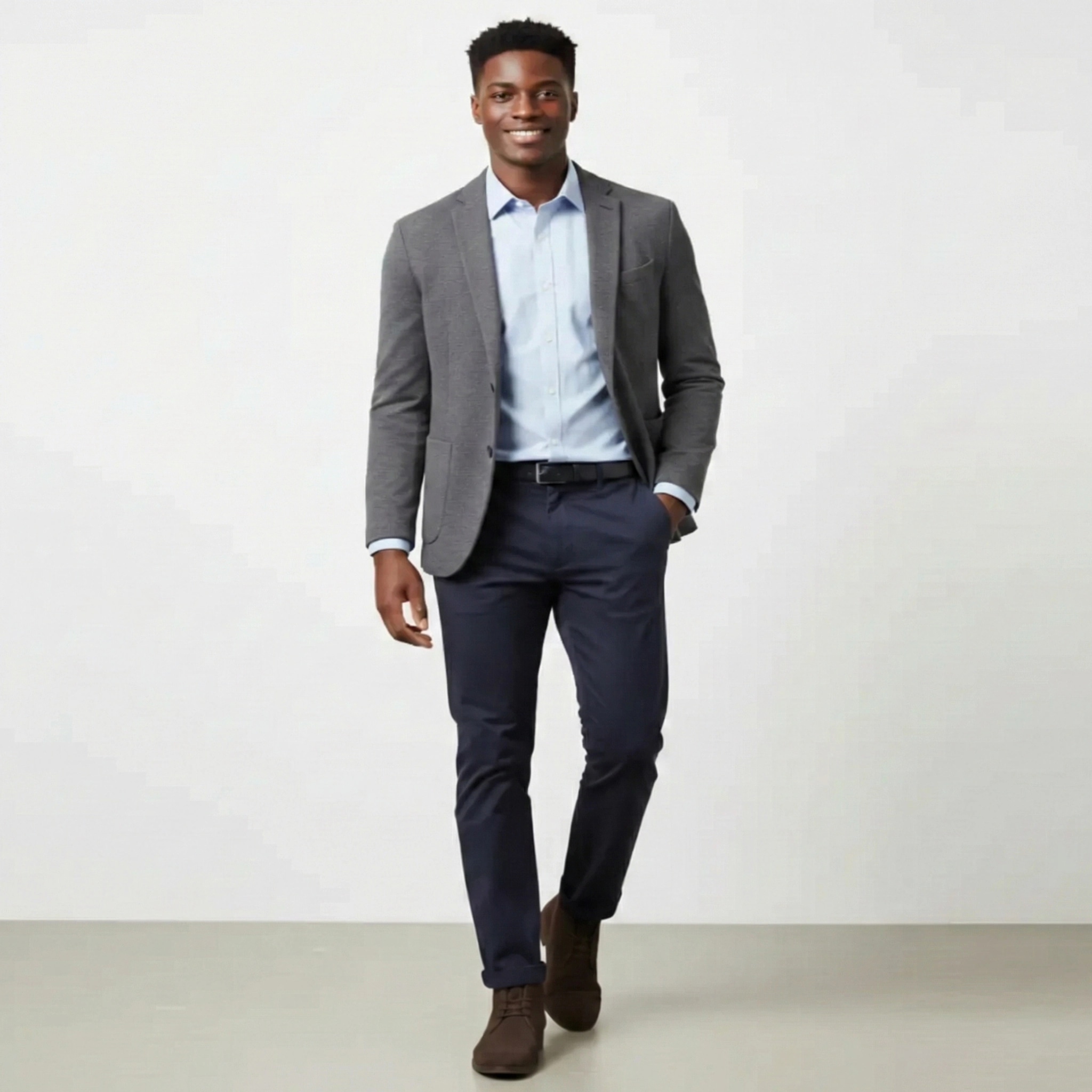
One of the most common questions fashion ecommerce sellers ask is how many product images are enough to convert shoppers confidently without overwhelming them.
The answer is not a fixed number, but there is a clear range that consistently performs best across fashion categories and platforms. Too few images increase uncertainty. Too many unstructured images create friction.
This guide explains how many product images fashion listings actually need, why image count matters, and how to structure images for maximum conversion and lower returns.
Why image count directly affects conversion
Fashion shoppers rely on images to replace the physical shopping experience. Each image answers a different question in the buyer’s mind.
Product images help shoppers understand:
- Fit and proportion
- Fabric and texture
- Construction and quality
- Style and versatility
When key questions remain unanswered, shoppers hesitate or abandon the purchase. When images are excessive but repetitive, shoppers feel overwhelmed.
The goal is clarity, not quantity.
The ideal image count for fashion products
For most fashion apparel listings, the highest-performing range is:
5 to 7 images per product
This range consistently provides enough information without creating cognitive overload.
Here is how those images should be used.
Recommended image structure for fashion listings
1. On-model hero image
This is the most important image. It should clearly show the garment on a body, communicating fit, length, and overall style.
2. Alternate on-model angle
A second on-model image from a different angle helps shoppers understand proportion and silhouette.
3. Back view
Back views are often overlooked but critical. They reduce uncertainty around construction and fit.
4. Fabric or detail close-up
This image communicates quality, texture, thickness, and stitching.
5. Fit or size reference
Including model height, size worn, or garment measurements helps shoppers self-select the correct size.
Optional additions for certain categories:
- Movement or lifestyle image
- Styling variation
- Folded or flat lay detail
When fewer images may work
Certain product types require fewer images:
- Accessories such as hats, bags, or scarves
- Graphic-heavy items where design is the main focus
Even in these cases, including at least one on-model or scale-reference image improves clarity.
When more images are justified
Some products benefit from additional images:
- Outerwear and layering pieces
- Dresses with complex construction
- Premium-priced garments
For these items, adding 1 to 2 extra angles or detail shots can improve confidence without overwhelming the page.
Why more images are not always better
Adding images that repeat the same information does not improve conversion. It increases decision fatigue.
Common mistakes include:
- Multiple similar angles with no new information
- Repeated lifestyle shots that hide the product
- Overuse of artistic images before core details are shown
Every image should serve a purpose.
Image count and return rates
Listings with too few images tend to have higher return rates because expectations are incomplete. Listings with clear, structured image sets tend to see fewer size and “not as described” returns.
Returns decrease when shoppers understand:
- How the garment fits
- What the fabric looks like in real life
- What they will receive
The right image count supports expectation alignment.
Platform considerations
Shopify and brand-owned stores
Shopify shoppers browse within a brand ecosystem. Clear image order and consistency matter more than sheer quantity.
Five to seven well-structured images typically outperform larger, unorganized sets.
Marketplaces
Marketplace shoppers compare across brands quickly. On-model hero images and clear secondary images matter more than additional lifestyle shots.
The same five to seven image structure works well when optimized for clarity.
Final takeaway
There is no benefit in flooding fashion product pages with images. What matters is whether each image removes uncertainty.
For most fashion listings, five to seven intentional, well-structured images provide the best balance between clarity and simplicity.
When each image answers a specific question, shoppers feel confident, conversions improve, and returns decline.
Transform your fashion photography!!
Start Creating with AIRead Next
How Shopify Image Rendering Affects Fabric and Texture Perception
In fashion ecommerce, fabric is value. Weight, softness, thickness, stretch, drape, and finish all ...
How Visual Clarity Beats Aesthetics in Fashion Ecommerce Conversion
Fashion brands often believe that better aesthetics automatically lead to higher conversion. Cleaner...
How Fashion Brands Can Use AI Models to Reduce Photoshoot Costs and Scale Faster
Fashion brands operate in a high-pressure environment where speed, cost efficiency, and visual quali...