How Visual Clarity Beats Aesthetics in Fashion Ecommerce Conversion
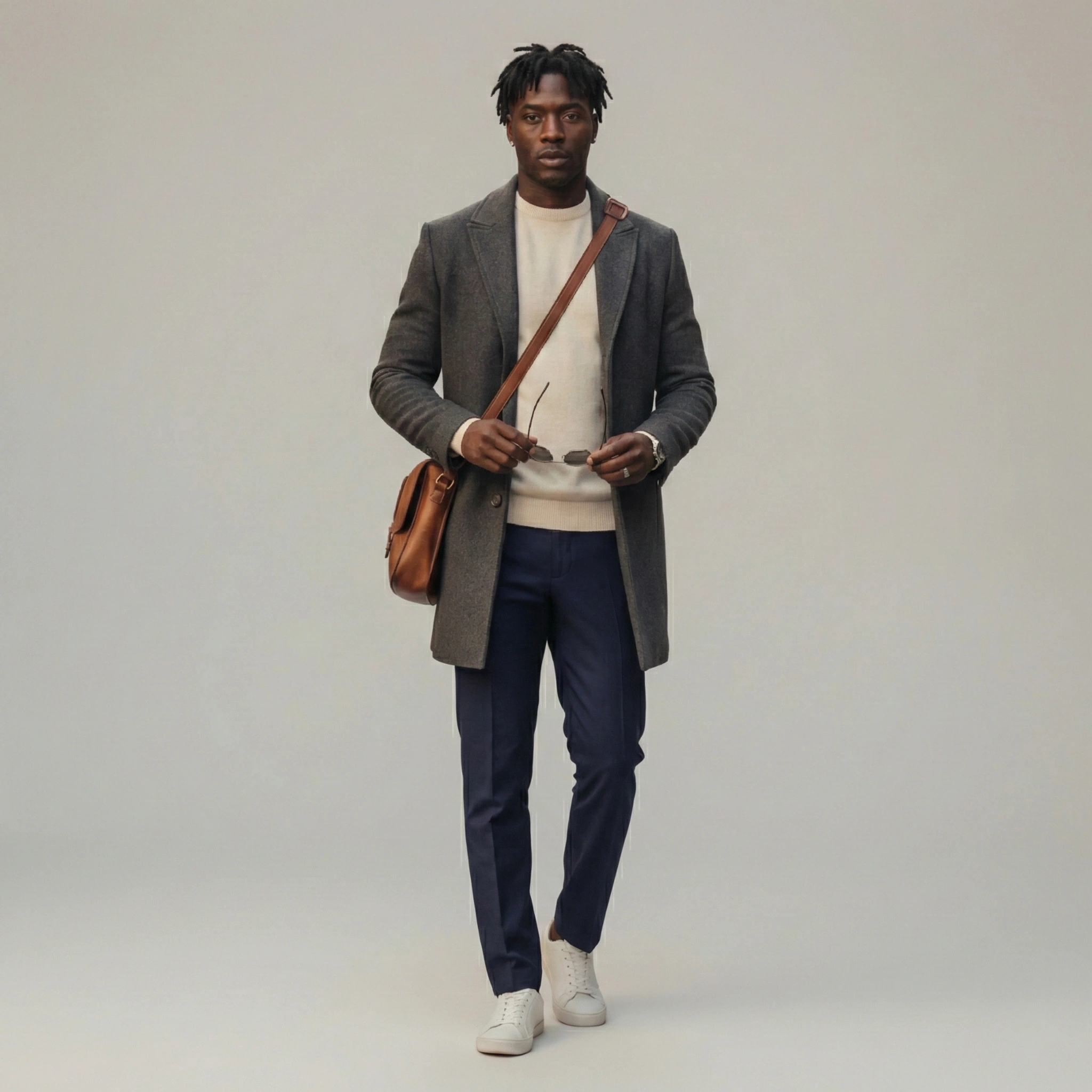
Fashion brands often believe that better aesthetics automatically lead to higher conversion. Cleaner art direction, stronger styling, and more creative visuals are treated as the primary levers for improvement.
In practice, many high-aesthetic product pages underperform. At the same time, visually simple pages with less impressive photography convert consistently better.
The difference is not budget or taste. It is clarity.
In fashion ecommerce, visual clarity consistently outperforms visual aesthetics when it comes to conversion, trust, and return reduction.
Aesthetics and Clarity Are Not the Same Thing
Aesthetic quality describes how visually appealing an image is.
Visual clarity describes how easily a shopper can understand the product.
An image can be beautiful and unclear at the same time.
In fashion ecommerce, shoppers are not browsing art. They are making a risk-based purchase decision without physical access to the product. When images prioritize mood over understanding, they increase cognitive effort at the exact moment shoppers want reassurance.
How Shoppers Actually Use Images When Deciding to Buy
Fashion shoppers use images as decision tools, not inspiration boards.
They look for answers to specific questions:
- What exactly is this item?
- How is it structured?
- How will it fit on a real body?
- What does the fabric look like in normal conditions?
- Is there anything being hidden?
If images do not answer these questions quickly, shoppers slow down or leave.
Aesthetics may attract attention, but clarity determines whether attention turns into confidence.
Where Aesthetic-First Images Break Conversion
Many common fashion photography practices reduce clarity without brands realizing it.
Over-Styling Hides the Product
Layering, accessories, and dramatic poses may look editorial, but they obscure:
- Garment shape
- Fit lines
- Construction details
Shoppers then have to mentally subtract styling elements to understand the product. Most do not bother.
Dramatic Lighting Distorts Reality
High-contrast or directional lighting can exaggerate:
- Fabric texture
- Body contours
- Perceived quality
This may increase perceived luxury short-term, but it introduces doubt. Shoppers sense when lighting feels unrealistic and question how the product will look in normal conditions.
Cropping Prioritizes Mood Over Information
Tight crops can feel premium, but they often remove:
- Hem length
- Sleeve length
- Overall proportions
When key reference points are missing, shoppers cannot assess fit. Fit uncertainty is one of the strongest drivers of abandonment and returns.
Why Clarity Feels “Less Impressive” but Converts Better
Clear images often feel plain to internal teams because they lack drama.
They are:
- Evenly lit
- Neutrally posed
- Predictable in composition
To shoppers, this predictability signals honesty and control. It reduces mental effort and builds trust.
What feels boring to a brand often feels safe to a buyer.
The Role of Consistency in Visual Clarity
Clarity is not just about individual images. It depends on consistency across the entire product page and catalog.
Inconsistent imagery creates friction:
- Different lighting across images
- Mixed backgrounds
- Varying model proportions
- Inconsistent camera distance
When shoppers notice inconsistency, they question accuracy. Consistency reassures them that what they see is reliable.
Why Clear Images Reduce Returns
Returns are usually caused by expectation failure.
Aesthetic-heavy images tend to:
- Overstate drape or structure
- Mask fabric weight
- Imply fit characteristics that do not exist
Clear images set realistic expectations. Even if they look less exciting, they align perception with reality, which reduces disappointment after delivery.
Lower return rates are often a clearer indicator of image quality than conversion alone.
How to Evaluate Your Images for Clarity
To assess whether your images prioritize clarity, ask:
- Can a shopper understand the product without reading copy?
- Are fit and proportions obvious from the first two images?
- Do fabric details look realistic under neutral lighting?
- Would these images still work without styling or branding context?
If the answer is no, aesthetics may be working against conversion.
Clarity Does Not Mean Removing All Brand Expression
Clear images do not eliminate brand identity. They simply respect sequence.
Clarity should come first.
Brand expression should come after confidence is established.
When shoppers understand and trust the product, aesthetic storytelling reinforces desire instead of creating doubt.
Final Takeaway
In fashion ecommerce, images exist to reduce uncertainty, not to impress internal teams.
Aesthetic images attract attention.
Clear images close decisions.
Brands that prioritize visual clarity over visual drama convert more consistently, reduce returns, and build long-term trust with shoppers.
Transform your fashion photography!!
Start Creating with AIRead Next
Best Places to Sell Fashion Online in 2026: A Complete Guide
Selling fashion online has never been more accessible, but choosing where to sell has never been mor...
Managing Variant Image Logic at Scale in Shopify Catalogs
Variant complexity is one of the most underestimated conversion risks in Shopify fashion stores. As...
How Fashion Brands Can Use AI Models to Reduce Photoshoot Costs and Scale Faster
Fashion brands operate in a high-pressure environment where speed, cost efficiency, and visual quali...