Why Most Fashion Brands Over-Invest in Visuals Too Early
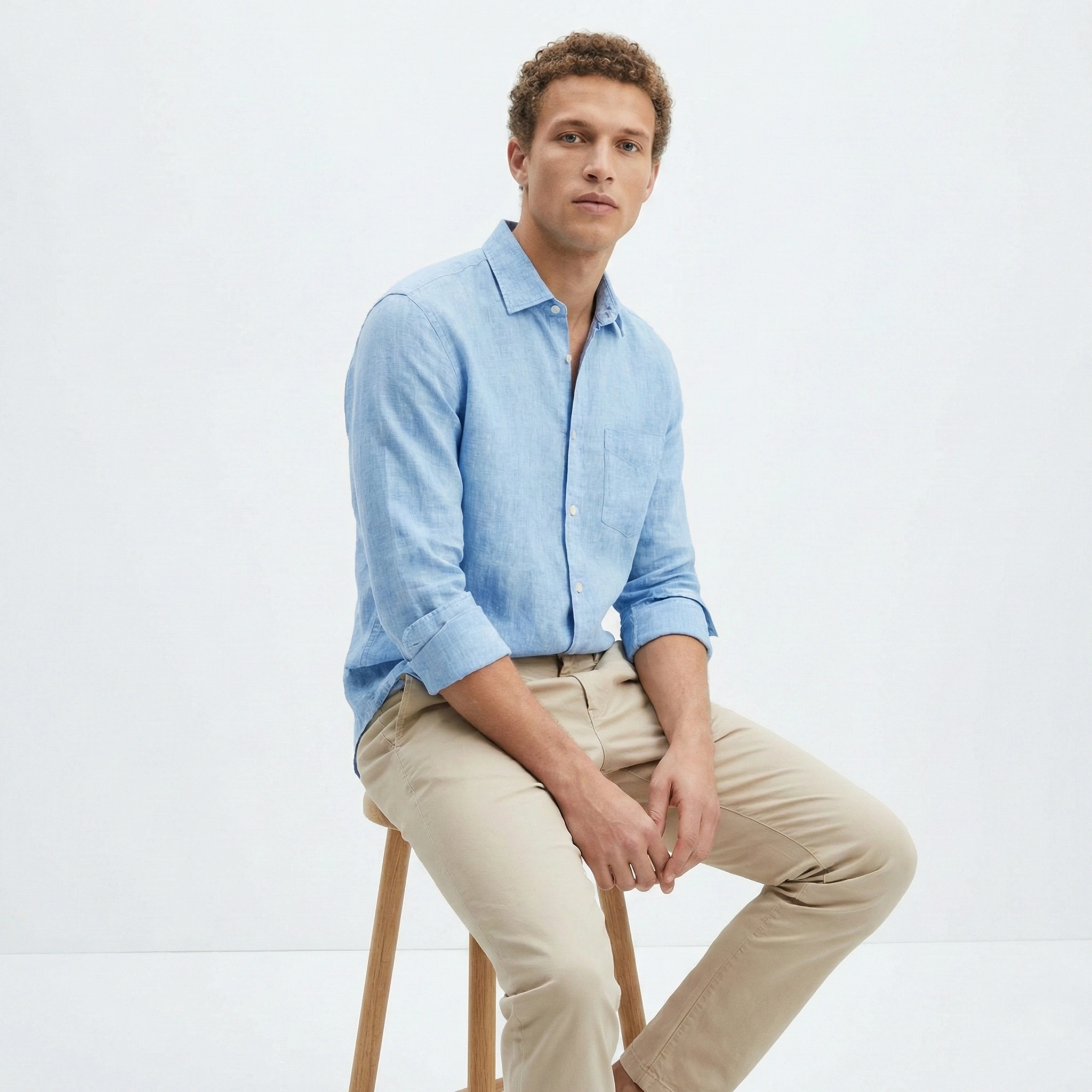
In fashion, visuals feel foundational. Founders instinctively believe that strong imagery is the key to credibility, differentiation, and sales. As a result, many early-stage brands allocate a disproportionate share of capital to photoshoots, creative direction, and aesthetic polish before they have validated demand.
The issue is not that visuals are unimportant. The issue is timing.
Most fashion brands over-invest in visuals too early, before they have proven product-market fit, pricing tolerance, or repeat demand. This creates capital inefficiency and slows learning at the most critical stage of growth.
This article examines why this pattern happens, where it creates risk, and how founders can calibrate visual investment more strategically.
The Emotional Bias Toward Aesthetics in Fashion
Fashion founders often come from creative backgrounds. Visual identity feels inseparable from brand legitimacy.
This leads to assumptions such as:
- Premium visuals will compensate for limited traction
- Strong photography will accelerate trust immediately
- Aesthetic polish equals brand readiness
While visuals do influence perception, they cannot substitute for validated demand or product resonance.
Over-investment in imagery is frequently driven by emotional conviction rather than operational data.
The Early-Stage Objective Is Validation, Not Perfection
At launch, the primary goal should be answering critical questions:
- Does this product sell at this price?
- Who is buying it?
- What objections are most common?
- What drives returns?
High-production visuals do not answer these questions. Customer behavior does.
If a brand spends heavily on imagery before learning what actually converts, it risks optimizing the wrong presentation for the wrong audience.
Capital Allocation Risk
Early-stage fashion brands operate with limited capital. Allocating a large portion of that capital to premium photoshoots introduces several risks:
- Reduced budget for paid acquisition testing
- Limited flexibility to adjust product design
- Pressure to maintain high pricing to justify sunk costs
- Slower iteration cycles due to financial constraints
When visuals absorb too much of the budget, operational agility declines.
The Illusion of Brand Readiness
Polished visuals can create a false sense of readiness.
Internally, the brand may feel complete. Externally, however, customers evaluate based on value, clarity, and fit, not just aesthetic quality.
If:
- Sizing information is weak
- Product differentiation is unclear
- Market positioning is unstable
premium imagery will not compensate.
Visual polish should reinforce product strength, not mask strategic uncertainty.
When High Visual Investment Is Premature
Over-investment is most common when:
- The product category is untested
- Demand signals are inconsistent
- Return rates are unknown
- Traffic volume is low
- Brand positioning is still evolving
In these conditions, large visual expenditures limit the ability to pivot quickly.
Founders should prioritize clarity and accuracy first, and scale production value after patterns are validated.
The Difference Between Minimum Viable Clarity and Premium Aesthetic
Early-stage imagery should achieve minimum viable clarity:
- Clear front and back views
- Accurate color representation
- Honest fabric detail
- Sufficient fit communication
This standard supports conversion and learning without excessive production cost.
Premium aesthetic enhancements such as complex styling, elaborate sets, and campaign-level direction are more valuable once demand consistency exists.
How Over-Investment Slows Iteration
High-production shoots often lock brands into fixed image systems.
If data reveals that:
- A different angle converts better
- Additional detail shots reduce returns
- Simpler presentation improves clarity
updating images becomes expensive and slow.
Lower-cost, flexible visual systems allow brands to adapt based on performance data rather than creative preference.
The Stage-Based Approach to Visual Investment
Visual investment should scale with business maturity.
Stage 1: Validation
Focus on clarity, accuracy, and completeness. Minimize unnecessary aesthetic complexity.
Stage 2: Optimization
Improve consistency and visual cohesion based on performance insights.
Stage 3: Brand Reinforcement
Invest in distinctive visual systems once product-market fit and repeat demand are established.
This sequencing reduces capital waste while maintaining professional standards.
When Early Investment in Visuals Is Justified
There are cases where stronger early visual investment makes sense:
- Luxury positioning where perception defines pricing power
- Wholesale strategies requiring professional lookbooks
- Highly competitive niches where visual parity is required to enter
Even in these cases, investment should be aligned with clear commercial objectives rather than aesthetic ambition alone.
Final Takeaway
Visuals are essential in fashion ecommerce, but timing determines whether they accelerate growth or restrict it.
Most fashion brands over-invest in imagery before they have earned the data that justifies it.
Founders who prioritize clarity, validation, and iteration first can scale visual sophistication strategically, rather than treating it as a prerequisite for starting.
Transform your fashion photography!!
Start Creating with AIRead Next

12 Essential Ways for Fashion Brands to Improve Their Website and Strengthen Their Brand in 2026
The fashion industry is more competitive than ever. New brands launch daily, trends evolve quickly, ...
Place Your Fashion Brand as a Solution, Not an Alternative
Selling fashion online today is less about which platform you use and more about how decisively your...

Image Consistency Across Collections and Why It Matters More Than Style
Fashion brands often prioritize creative direction for each new collection. Different moods, setting...