How Fashion Product Images Affect Return Rates (And How to Fix It)
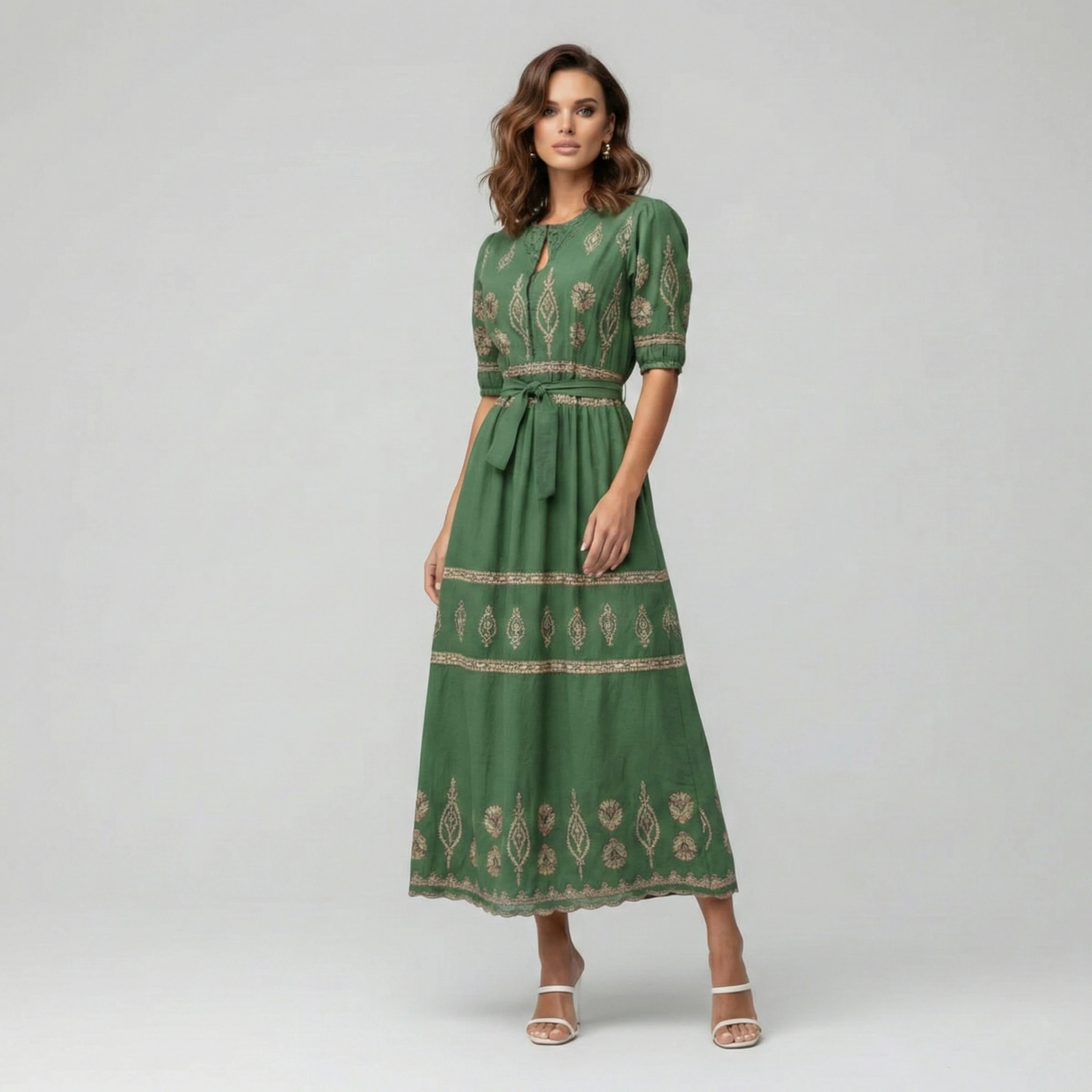
Returns are one of the most expensive and avoidable problems in fashion ecommerce. They reduce margins, increase operational costs, and weaken long-term customer trust. While many brands focus on pricing strategies, promotions, or size charts to address returns, product imagery plays a far greater role in shaping customer expectations and return behavior.
In online fashion retail, customers cannot touch fabric, assess weight, or try garments on. As a result, product images become the primary source of truth. When visuals fail to clearly communicate fit, proportion, fabric behavior, or color accuracy, customers fill in the gaps themselves, often leading to disappointment and returns.
This article explains how fashion product images directly influence return rates and outlines practical, proven ways to fix the most common issues.
Why fashion ecommerce has higher return rates
Fashion is uniquely difficult to sell online. Customers need to understand fit, proportion, fabric behavior, and color accuracy without any physical interaction.
Before buying, shoppers subconsciously ask:
- How will this fit my body
- How does the fabric fall and move
- Does the color look accurate in real life
- Will this look like I expect when I wear it
When product images do not answer these questions clearly, customers fill in the gaps themselves. Those assumptions often lead to disappointment and returns.
The direct connection between product images and returns
Most fashion returns are not caused by defective products. They are labeled as:
- Did not fit as expected
- Not as described
- Looked different in person
All of these reasons point back to expectation mismatch.
Product images are not just marketing assets. They are expectation-setting tools. When expectations are accurate, return rates drop naturally.
Common image mistakes that increase fashion returns
Relying only on flat lay or mannequin images
Flat lay images show design details but fail to communicate fit, scale, and drape. Without seeing a garment on a body, shoppers struggle to understand how it will look when worn.
This often leads to size-related returns, even when measurements are correct.
Showing too few product angles
One or two images rarely provide enough information. Missing back views, side angles, or natural poses forces customers to imagine details.
When imagination replaces clarity, return rates increase.
Over-editing and unrealistic presentation
Heavy retouching, altered proportions, or overly stylized poses may improve clicks, but they also create unrealistic expectations.
If the delivered product does not match the image, trust breaks immediately.
Inconsistent visuals across the catalog
When each product is photographed differently, customers cannot easily compare items. Inconsistency creates uncertainty, especially for returning shoppers.
Uncertainty leads to hesitation, incorrect purchases, and higher returns.
How to reduce returns by improving product images
Show garments on a body whenever possible
On-model images are one of the most effective ways to reduce fashion returns. They clearly show how clothing fits, where it sits on the body, and how it moves.
This helps customers visualize themselves wearing the item and reduces size and fit mistakes.
Use multiple angles to remove guesswork
Every fashion product should include:
- A front view
- A back view
- A side or three-quarter angle
- A close-up of fabric or key details
Each image answers a specific question and reduces uncertainty before purchase.
Add visual size and fit context
Text-based size charts are helpful, but visual references are more effective.
Including model height, size worn, and garment length helps shoppers choose the correct size with greater confidence.
Keep lighting and colors accurate
Color mismatch is a major cause of returns. Consistent lighting and minimal color correction ensure the product looks the same online and in real life.
Accuracy builds trust more effectively than visual exaggeration.
Maintain a consistent visual system
Using the same lighting style, background, framing, and model type across your catalog makes comparisons easier.
Consistency helps shoppers develop trust in your brand and sets reliable expectations across all products.
read about more optimization tips here.
Why on-model images are especially effective at reducing returns
On-model images reduce returns because they remove uncertainty early in the buying process.
They communicate:
- Proportion and scale
- Fabric drape and movement
- Where seams, waistlines, and hems fall
- Whether the style aligns with the shopper’s self-image
For many buyers, this clarity becomes the deciding factor between keeping or returning an item.
The operational impact of clearer product images
Reducing returns improves more than customer satisfaction.
Clearer product images lead to:
- Fewer customer complaints
- Lower reverse logistics costs
- Better product reviews
- Higher repeat purchase rates
- More efficient paid advertising spend
Fewer returns improve margins without changing pricing or product quality.
Final takeaway
Fashion returns are usually caused by unclear expectations, not poor products.
Product images function as a silent salesperson. When they clearly communicate fit, fabric, proportion, and detail, customers make better decisions and keep what they buy.
Reducing return rates starts with removing guesswork. Brands that prioritize clarity over exaggeration build trust, protect margins, and create more sustainable growth.
Transform your fashion photography!!
Start Creating with AIRead Next
How Fashion Brands Should Update Product Images Over Time
Most fashion brands treat product images as a one-time task. Once a product is photographed and publ...
How to Build a Fashion Brand With Zero Upfront Cost and Making Sales Before Launching a Shopify Store
A modern fashion brand does not begin with inventory, a warehouse, or even a Shopify store. It begin...
Why Shopify Theme Cropping Decisions Hurt Mobile Conversion
Most Shopify fashion founders evaluate their product images on desktop. Most shoppers evaluate them...