Why Fashion Shoppers Abandon Product Pages Even When Images Look “Good”
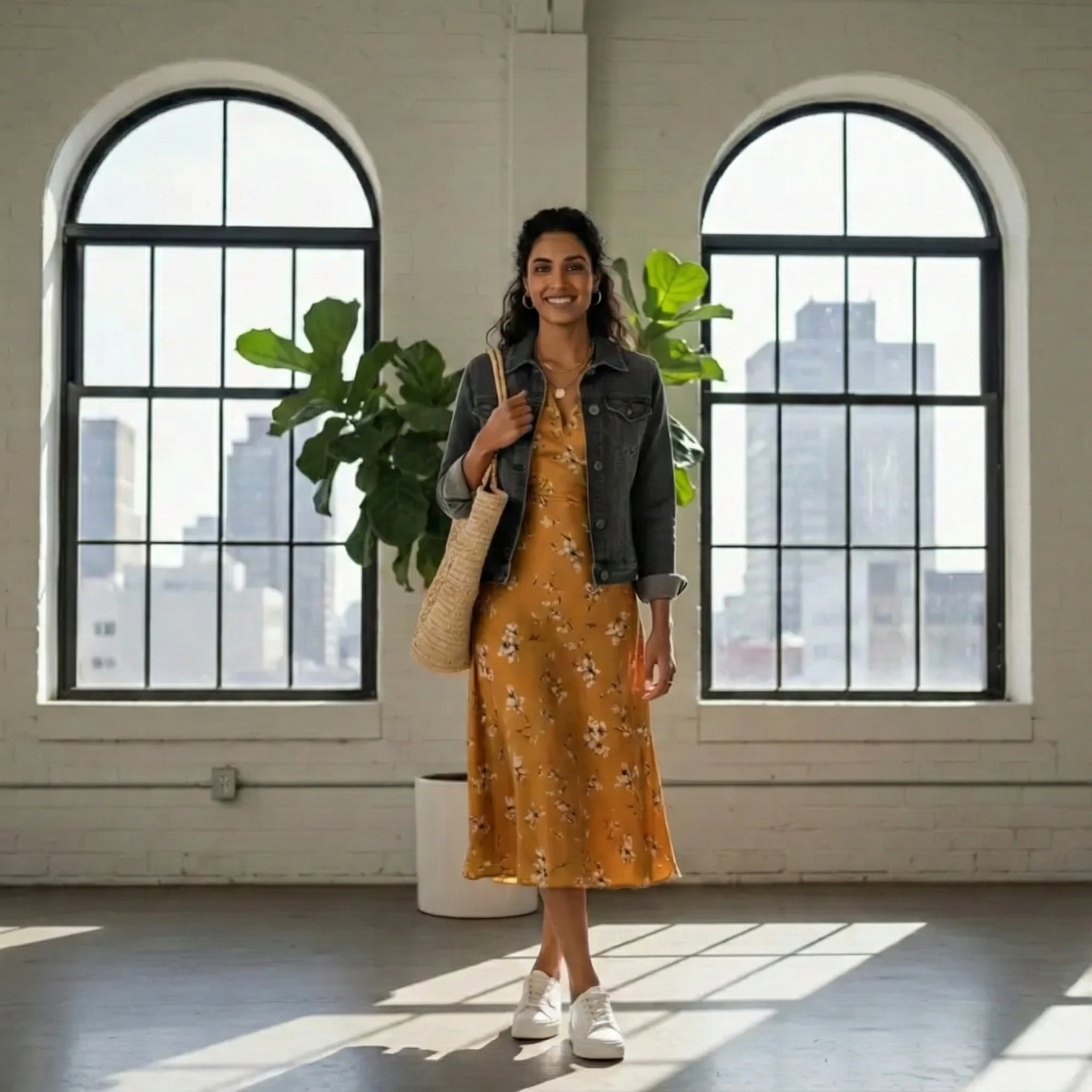
Many fashion ecommerce teams assume that if product images are high resolution, professionally shot, and visually appealing, conversion should follow. When shoppers still abandon the page, the conclusion is often that pricing, traffic quality, or demand is the issue.
In reality, abandonment frequently happens because images fail at their primary job. They look good but do not reduce uncertainty.
Fashion shoppers do not leave because images are unattractive. They leave because images do not answer the questions that matter at the moment of evaluation.
“Good” Images Are Not the Same as Effective Images
A visually strong product page can still underperform if images focus on aesthetics instead of decision clarity.
Effective images must do three things simultaneously:
- Explain the product without requiring effort
- Reduce perceived risk
- Align expectations with reality
When images prioritize brand mood or creative expression too early, they delay or block these outcomes.
The Real Reasons Shoppers Leave Product Pages
Abandonment is rarely caused by a single flaw. It usually comes from small, cumulative moments of doubt.
Below are the most common image-related reasons shoppers leave, even when visuals look polished.
Reason 1: The Product Is Not Instantly Clear
If shoppers cannot immediately understand what they are looking at, they hesitate.
Common causes:
- Cropped hero images that hide silhouette or structure
- Lifestyle-first images without a clear product view
- Angles that prioritize mood over form
Fashion shoppers evaluate dozens of products per session. Any delay in comprehension increases the likelihood of exit.
Clarity always comes before creativity.
Reason 2: Images Do Not Match How Shoppers Evaluate Fit
Fit is the highest-risk variable in fashion ecommerce. If images do not help shoppers assess fit early, confidence drops.
Signs of this problem:
- Only one model and one pose
- No reference for length or proportion
- Lack of visibility around shoulders, waist, or hem
When shoppers cannot picture how the item will fit on their own body, they defer the decision or leave to compare elsewhere.
Reason 3: Key Details Are Missing or Shown Too Late
Shoppers expect transparency. Missing images create suspicion even when the product is legitimate.
Commonly missing visuals include:
- Back or side views
- Fabric texture at natural scale
- Closures, seams, or construction details
If shoppers have to scroll excessively or guess, they assume risk. Risk leads to abandonment.
Reason 4: Over-Styling Creates Visual Noise
Well-styled images can hurt conversion when styling competes with product understanding.
Examples:
- Heavy layering that hides garment shape
- Extreme poses that distort fit
- Props that draw attention away from the product
At the evaluation stage, shoppers want information, not inspiration. Over-styling forces them to work harder to extract meaning.
Reason 5: Images Create Mismatched Expectations
Images that exaggerate drape, structure, or fabric quality may attract clicks but damage confidence during evaluation.
This includes:
- Aggressive retouching
- Unrealistic lighting
- Styling that implies features the product does not have
Even before purchase, shoppers subconsciously sense inconsistency. When expectations feel unstable, they abandon rather than risk disappointment.
Reason 6: The Image Sequence Does Not Match Decision Flow
Even strong individual images fail if they appear in the wrong order.
Common sequencing problems:
- Lifestyle images before product clarity
- Detail shots before context
- Emotional imagery before functional reassurance
When images appear out of order, shoppers cannot build confidence progressively. The page feels disorganized, even if each image looks good in isolation.
Why Abandonment Is Often Silent
Most shoppers do not consciously identify why they leave. They simply feel uncertain.
This is why image-related abandonment is often misdiagnosed. Analytics show exits, but not hesitation. Session recordings show scrolling, but not doubt.
Images either remove friction or create it. There is no neutral state.
How to Diagnose Image-Driven Abandonment
To identify whether images are causing exits, review product pages with these questions:
- Is the product immediately understandable without reading text?
- Does image order follow how someone would inspect the item in person?
- Are any common fit or fabric questions unanswered visually?
- Do images create confidence before they create desire?
If the answer to any of these is no, abandonment is likely image-driven.
Why Fixing Images Often Outperforms Price Changes
Many brands respond to low conversion by discounting. This treats the symptom, not the cause.
When shoppers leave due to uncertainty:
- Lower prices do not remove doubt
- Discounts can signal lower quality
- Long-term trust erodes
Clear, accurate images reduce friction without sacrificing margin.
Final Takeaway
Fashion shoppers abandon product pages not because images look bad, but because images fail to guide decision-making.
High-performing fashion product pages use images to:
- Answer questions in the right order
- Reduce risk incrementally
- Align expectations before emotion
When product images do this well, shoppers stay, evaluate calmly, and buy with confidence.
Transform your fashion photography!!
Start Creating with AIRead Next
How Fashion Brands Should Update Product Images Over Time
Most fashion brands treat product images as a one-time task. Once a product is photographed and publ...
How Many Product Images Do Fashion Listings Actually Need?
One of the most common questions fashion ecommerce sellers ask is how many product images are enough...
How to Build a Fashion Brand With Zero Upfront Cost and Making Sales Before Launching a Shopify Store
A modern fashion brand does not begin with inventory, a warehouse, or even a Shopify store. It begin...