How to Combine AI Images and Real Photos Without Losing Trust
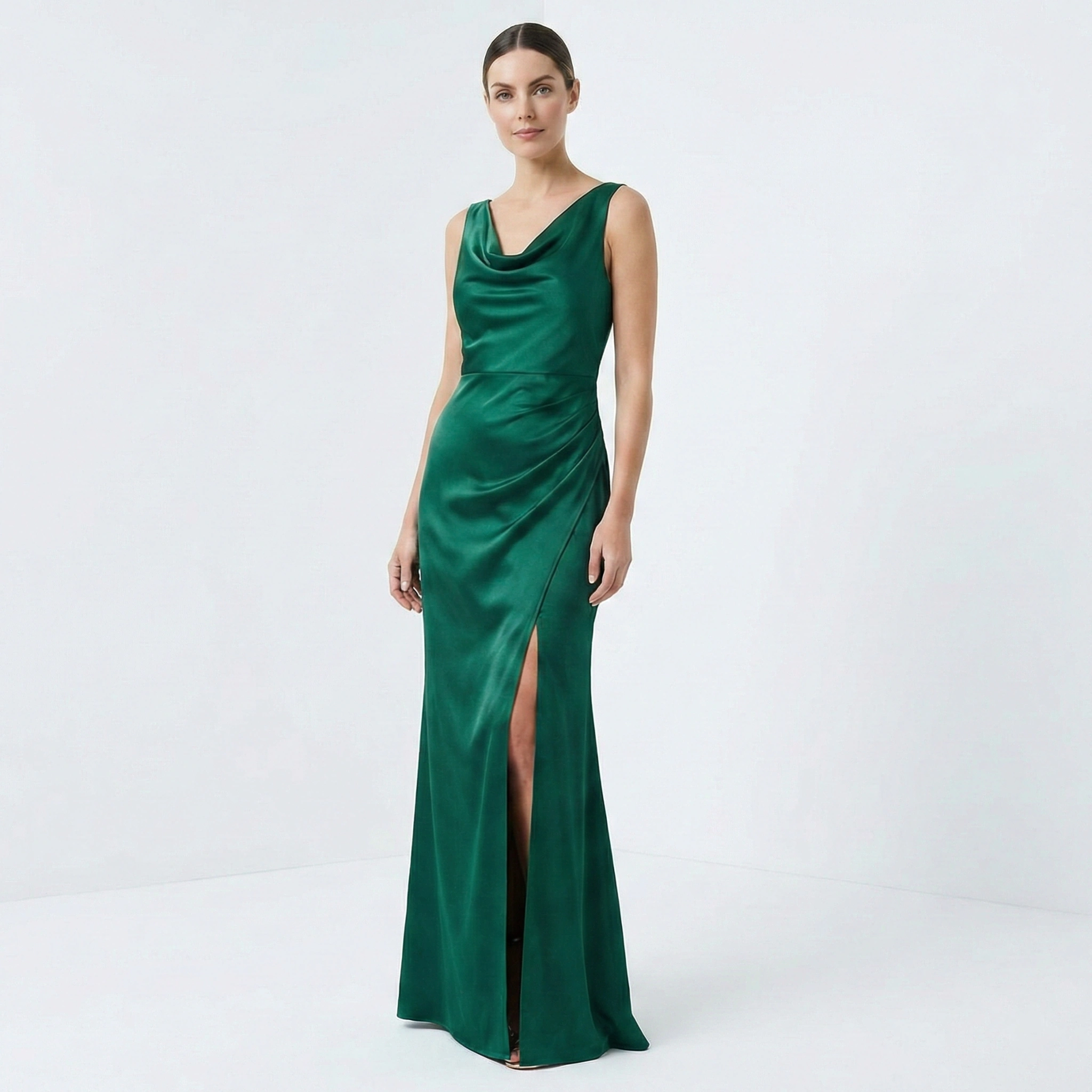
As AI product photography becomes more accessible, many fashion brands face a practical question: how can AI-generated images be integrated into existing workflows without compromising trust?
The answer is not to choose between AI and traditional photography. It is to define clear roles for each and ensure that realism, accuracy, and transparency remain intact.
When combined correctly, AI images and real photos can improve scalability and consistency. When combined carelessly, they introduce subtle inconsistencies that erode buyer confidence.
This article outlines how to build a hybrid image system that protects trust while improving operational efficiency.
Understand the Role of Each Image Type
Trust breaks down when shoppers cannot distinguish between representation and enhancement.
Real photography is strongest for:
- Fabric texture realism
- Complex fit accuracy
- Detailed construction visibility
- Products with nuanced material behavior
AI imagery is strongest for:
- Standardized backgrounds
- Consistent pose replication
- Variant generation
- Catalog-wide cohesion
When brands try to use AI for high-risk realism tasks or rely on traditional shoots for repetitive scalability tasks, inefficiencies and inconsistencies emerge.
Maintain Visual Consistency Across Both Systems
The most common trust issue in hybrid workflows is visual mismatch.
Differences in:
- Lighting temperature
- Shadow intensity
- Model proportions
- Camera distance
- Color rendering
can signal to shoppers that images are not aligned with reality.
To avoid this:
- Define lighting standards that both AI and traditional imagery follow
- Use consistent framing rules
- Maintain consistent background tones
- Audit color calibration across all outputs
Shoppers do not need to know which image is AI-generated. They only need the system to feel coherent.
Anchor AI Outputs to Real Product References
AI-generated images should always be grounded in real product data.
This includes:
- Accurate garment dimensions
- Verified color references
- Confirmed fabric behavior
- Real-world fit examples
If AI outputs begin to idealize shape, drape, or structure beyond what the physical product can deliver, trust declines rapidly.
The physical product must remain the source of truth.
Avoid Mixing AI and Real Images Within the Same Evaluation Stage
Hybrid systems work best when image types are sequenced intentionally.
For example:
- Primary clarity images based on verified product representation
- Supplementary standardized images for catalog cohesion
- Lifestyle imagery generated for scale after product clarity is established
If shoppers encounter conflicting visual signals within the first few images, they may question accuracy.
Image order should reinforce trust before introducing aesthetic enhancement.
Use AI to Improve Completeness, Not Conceal Gaps
AI can effectively fill common visual gaps, such as:
- Missing angles
- Consistent background replacements
- Variant-specific imagery
However, it should not be used to:
- Mask construction weaknesses
- Exaggerate fit improvements
- Enhance fabric thickness artificially
- Remove realistic imperfections
Completeness builds trust. Concealment destroys it.
Define Clear Internal Quality Control Standards
Hybrid systems require stricter review processes.
Brands should establish:
- Checklists for anatomical accuracy
- Fabric realism validation steps
- Side-by-side comparisons with physical samples
- Color verification workflows
AI outputs should be reviewed with the same rigor as traditional photography, not treated as automatically acceptable.
Protect Brand Transparency
Even when shoppers do not explicitly ask whether images are AI-generated, transparency in representation matters.
Trust is protected when:
- The product received matches what was shown
- Fit and color are accurate
- Fabric behavior aligns with visual expectation
If hybrid imagery produces even small but repeated mismatches, repeat purchase rates decline.
Trust is built through consistency, not disclosure alone.
When Hybrid Systems Perform Best
Combining AI and real photos is most effective when:
- Real photography establishes product authenticity
- AI scales that authenticity across catalog needs
- Consistency is enforced at the system level
- Visual standards are clearly defined
In this model, AI extends capability rather than redefining representation.
Final Takeaway
Combining AI images and real photos is not about replacing one with the other. It is about assigning each to the tasks it performs best.
Trust in fashion ecommerce depends on realism, clarity, and alignment with physical products.
A hybrid system works when the product remains the anchor and technology serves accuracy, not illusion.
Transform your fashion photography!!
Start Creating with AIRead Next
How Visual Clarity Beats Aesthetics in Fashion Ecommerce Conversion
Fashion brands often believe that better aesthetics automatically lead to higher conversion. Cleaner...
How Many Product Images Do Fashion Listings Actually Need?
One of the most common questions fashion ecommerce sellers ask is how many product images are enough...
Photographer vs AI: When to Use a Real Photoshoot and When to Use AI
Fashion ecommerce sellers today face a key decision when creating product images: invest in a tradi...