Accuracy vs Speed: The Core Tradeoff in AI Fashion Imagery
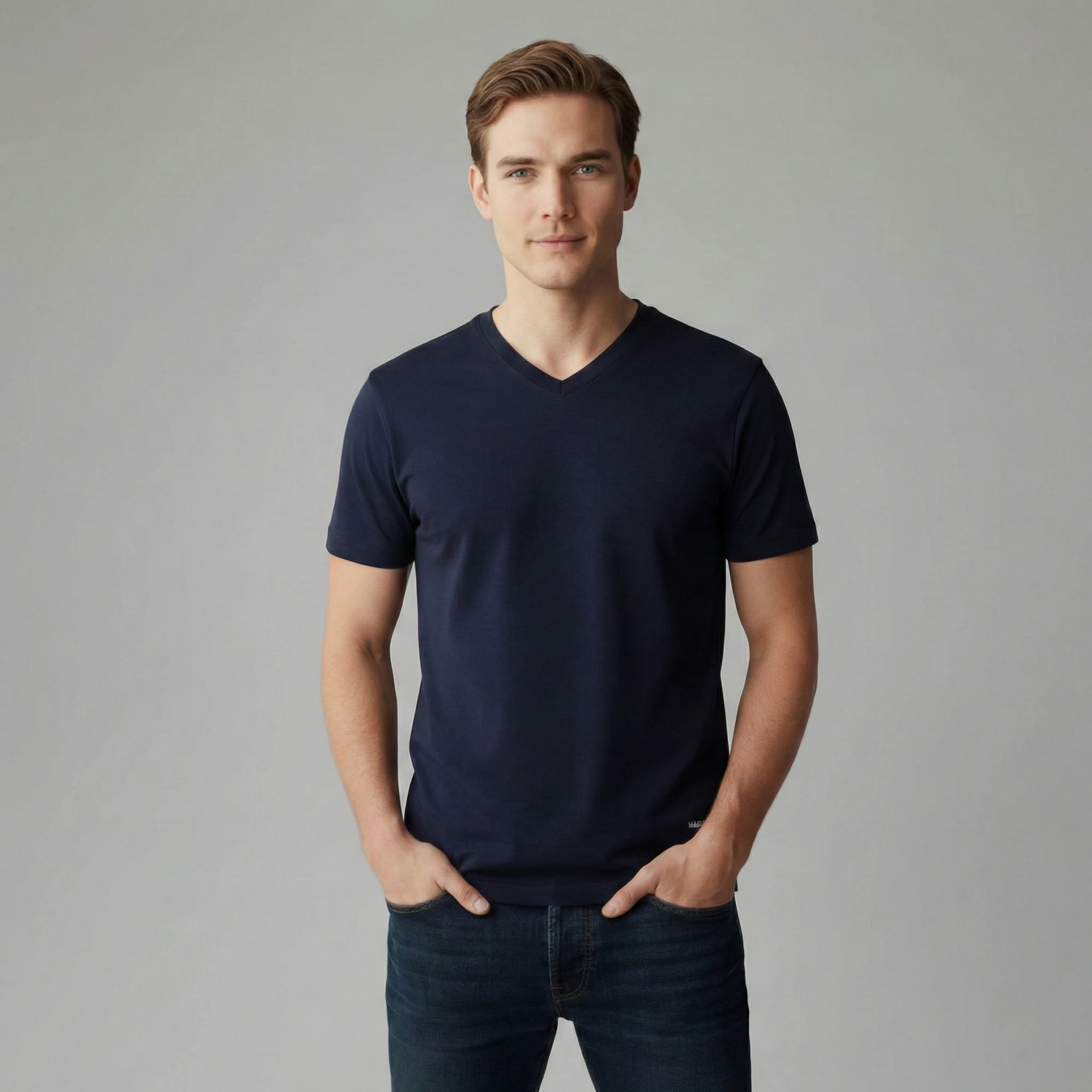
AI fashion imagery promises speed. Faster launches, quicker iteration, lower production friction. For growing ecommerce brands, that speed is attractive.
However, speed introduces a counterweight: accuracy.
In fashion ecommerce, visual accuracy directly influences conversion, return rates, and long-term trust. When speed is prioritized without guardrails, small inaccuracies compound into performance problems.
The central strategic question is not whether to use AI imagery. It is how to balance accuracy and speed without sacrificing commercial outcomes.
Why Speed Is So Valuable in Fashion Ecommerce
Fashion operates on compressed cycles.
Brands must:
- Launch collections on schedule
- Respond to trends quickly
- Update underperforming listings
- Expand catalogs efficiently
AI-generated imagery shortens production timelines dramatically. What once required studio coordination can now be produced in hours instead of weeks.
Speed increases learning velocity. Faster testing leads to faster optimization.
But speed alone does not guarantee success.
Why Accuracy Is Non-Negotiable
In fashion, shoppers rely on images to evaluate:
- Fit and proportions
- Fabric texture and weight
- Color fidelity
- Construction details
If these attributes are misrepresented, even slightly, post-purchase disappointment rises.
Accuracy is not about visual polish. It is about alignment between what is shown and what is delivered.
Inaccurate imagery increases:
- Return rates
- Support inquiries
- Customer hesitation
- Brand distrust
Accuracy protects margin. Speed protects momentum.
Both matter.
Where the Tradeoff Appears in Practice
The tension between accuracy and speed emerges in several ways.
1. Simplified Fit Representation
AI systems may generate idealized body positioning or garment drape. This can look visually clean but deviate from how the product behaves in real life.
Speed allows rapid listing. Reduced fit precision increases return risk.
2. Fabric Simulation
AI can approximate material texture, but certain fabrics require physical realism:
- Heavy knits
- Structured tailoring
- Sheer materials
- Reflective surfaces
Accelerated image generation may smooth or idealize texture in ways that alter perception.
3. Color Reproduction
Quick outputs may not undergo thorough color calibration. Subtle hue shifts can affect perceived quality and increase dissatisfaction.
Speed without validation leads to inconsistency.
4. Over-Optimization for Visual Appeal
AI often produces highly polished visuals by default. Perfect symmetry, clean drape, and flawless lighting can unintentionally exaggerate product performance.
The faster images are deployed without review, the greater the risk of over-idealization.
The Cost of Over-Prioritizing Speed
When speed dominates decision-making:
- Products launch with incomplete visual validation
- Small inaccuracies multiply across large catalogs
- Customer trust erodes gradually
- Returns absorb margin gains
Initial efficiency gains can be offset by downstream friction.
The Cost of Over-Prioritizing Accuracy
The opposite extreme also creates problems.
If brands delay deployment for excessive validation:
- Launch cycles slow
- Trend responsiveness declines
- Testing velocity drops
- Competitors move faster
In highly competitive categories, slow iteration can be as damaging as inaccuracy.
Building a Balanced Workflow
The goal is not choosing one over the other. It is structuring systems that protect accuracy while preserving speed.
Effective workflows often include:
- Using real product references as accuracy anchors
- Defining non-negotiable standards for fit and color validation
- Reviewing AI outputs against physical samples
- Sequencing clarity-focused images before stylized enhancements
- Updating imagery iteratively based on performance data
Speed should operate within defined accuracy boundaries.
When Speed Can Safely Lead
Speed can take priority when:
- Products are low fit-risk categories
- Fabric behavior is straightforward
- Color complexity is minimal
- Visual standards are clearly documented
In these scenarios, rapid deployment with light validation may be commercially sound.
When Accuracy Must Lead
Accuracy should dominate when:
- Products have complex construction
- Fit sensitivity is high
- Fabric texture influences value perception
- Price positioning depends on premium trust
In these cases, slower validation protects long-term performance.
Strategic Implications for Fashion Brands
Founders should view AI imagery not as a binary solution, but as a lever.
The strategic advantage lies in:
- Accelerating testing where risk is low
- Protecting precision where risk is high
- Designing repeatable validation systems
- Monitoring return patterns closely
The brands that win are not the fastest or the most cautious. They are the most calibrated.
Final Takeaway
Accuracy and speed define the core tradeoff in AI fashion imagery.
Speed drives growth.
Accuracy protects trust.
Sustainable performance comes from building image systems where speed operates within clear accuracy constraints, ensuring that what customers see remains aligned with what they receive.
Transform your fashion photography!!
Start Creating with AIRead Next

Shopify Image Best Practices for Fashion Stores in 2026
For fashion brands selling on Shopify, product images are no longer just visual assets. They are one...
How Fashion Product Images Affect Return Rates (And How to Fix It)
Returns are one of the most expensive and avoidable problems in fashion ecommerce. They reduce margi...
The Psychology of Buying Clothes Online (And Why Images Matter Most)
Buying clothes online is not a purely rational decision. It is a psychological process shaped by emo...