10 Image Optimization Hacks That Reduce Returns for Fashion Ecommerce Sellers
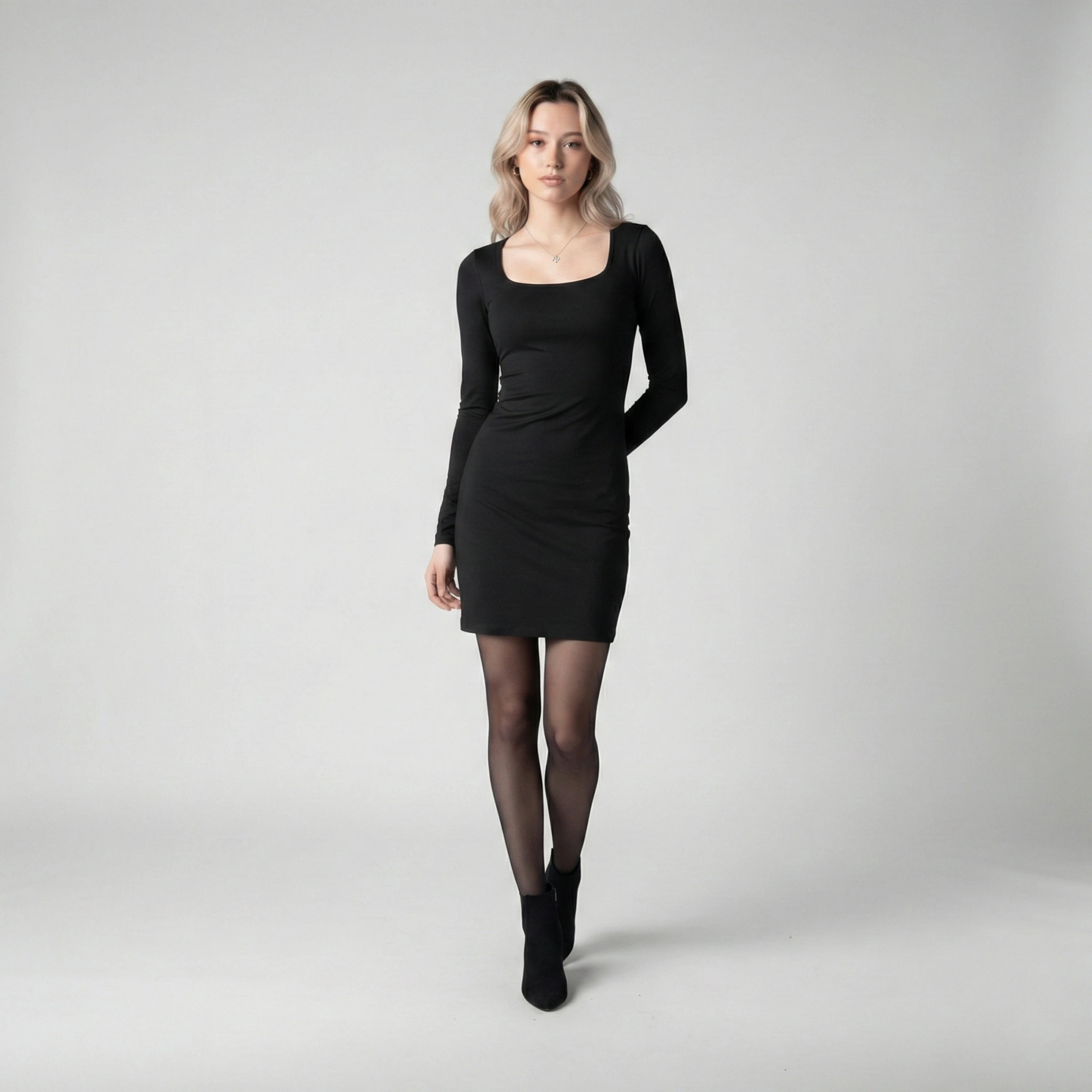
Returns are one of the biggest profit killers in fashion ecommerce. In most cases, customers do not return products because they are bad, but because they do not match expectations around fit, fabric, color, or proportion.
The fastest way to reduce returns is not changing your products. It is improving how clearly you show them.
Below are ten proven image optimization hacks that help fashion ecommerce sellers reduce size-related, fit-related, and “not as described” returns across platforms like Shopify and Amazon.
1. Show the product on a real-looking model
Flat-lay and ghost mannequin images hide how a garment actually fits on a human body. Buyers want to see where a dress sits on the waist, how sleeves fall, and how fabric drapes when worn.
On-model images answer these questions instantly and reduce uncertainty before purchase.
Best practice
Use one clean on-model hero image as the first product photo for every apparel SKU.
2. Add multiple angles for each product
One image rarely tells the full story. Missing details lead to wrong assumptions and higher return rates.
Customers want to see the front, back, side, and natural movement of the garment.
Best practice
Include 4 to 6 images per product showing different angles and poses, especially for fitted clothing, dresses, and outerwear.
3. Include fabric texture close-ups
Fabric feel is one of the most common expectation gaps in online fashion shopping. Customers often return items because the material feels thinner, rougher, or less premium than expected.
Best practice
Add at least one close-up image showing fabric weave, texture, stretch, or thickness. Make sure it is sharp and well-lit.
4. Keep lighting and color consistent
Color mismatch is a top reason for fashion returns. Inconsistent lighting or heavy editing makes products look different in real life.
Best practice
Use the same lighting style, background, and color balance across all product images so buyers can trust what they see.
5. Show how the garment actually fits
Buyers care less about styling and more about fit. Is the item relaxed, oversized, slim, or body-hugging?
Images that clearly show silhouette reduce confusion and size-related returns.
Best practice
Use natural poses that show how the garment falls on the body rather than stiff or overly stylized poses.
6. Add visual size references
Text-based size charts are useful, but many shoppers skip them. Visual size references help customers self-select the right size more accurately.
Best practice
Include an image with model height, size worn, and key garment measurements such as length or inseam.
7. Avoid misleading edits and retouching
Over-editing may increase clicks but often increases returns when the product arrives and looks different than expected.
Best practice
Avoid altering fabric drape, body proportions, garment length, or fit during editing. Keep images realistic and honest.
8. Order images intentionally
Random image order forces customers to search for information and increases the chance they miss important details.
Recommended image order
- On-model hero image
- Alternate on-model angle
- Back view
- Fabric texture close-up
- Size or fit reference
This sequence mirrors how buyers naturally evaluate apparel.
9. Optimize images for mobile shoppers
Most fashion ecommerce traffic comes from mobile devices. If images are unclear or hard to zoom on smaller screens, misunderstandings increase.
Best practice
Use high-resolution images that stay sharp when zoomed and avoid cluttered backgrounds that distract from the product.
10. Keep images consistent across all platforms
Showing different images on your website, marketplaces, and ads creates confusion and breaks trust.
Best practice
Use the same core image set across your store, marketplaces, and paid ads so customer expectations stay consistent from first click to delivery.
Why image optimization directly reduces returns
Clear product images act as a silent salesperson. They answer questions before checkout and prevent disappointment after delivery.
When expectations match reality, return rates naturally decline.
Fashion sellers who invest in accurate, well-structured imagery typically see:
- Fewer size and fit complaints
- Lower “not as described” returns
- Higher customer satisfaction and repeat purchases
Final takeaway
Most fashion returns are preventable. By clearly showing fit, fabric, proportion, and detail, you help customers make the right decision the first time.
Better images do not just improve conversions. They protect margins, reduce operational costs, and build long-term trust.
If you want to reduce returns without expensive photoshoots or long production cycles, start by upgrading how your products are shown.
Create clearer expectations before checkout, and fewer packages will come back.
Transform your fashion photography!!
Start Creating with AIRead Next
How to Optimize Fashion Product Photos for Shopify and Amazon Listings
Fashion ecommerce is highly visual, and product photos often determine whether a shopper clicks, scr...
How Image Quality Affects Brand Perception Before Any Purchase Happens
Long before a shopper compares prices, reads reviews, or evaluates product details, they form an opi...
The Order of Images That Maximizes Conversion on Fashion Product Pages
For fashion ecommerce, conversion does not depend on how many product images you show or how visuall...