How Fashion Brands Should Update Product Images Over Time
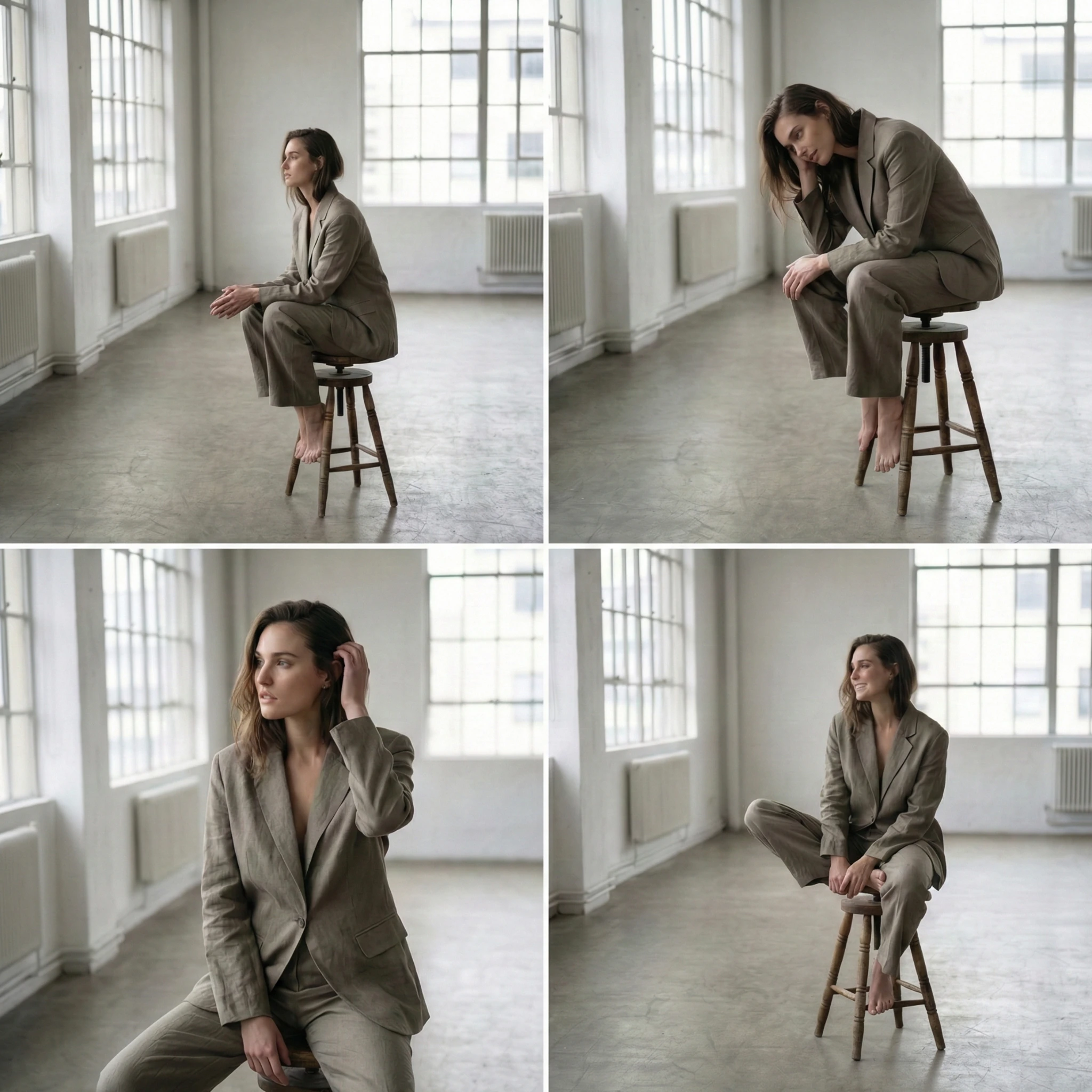
Most fashion brands treat product images as a one-time task. Once a product is photographed and published, the images remain unchanged unless there is a major rebrand or full reshoot.
This static approach ignores a key reality of ecommerce: product pages are performance assets. Like pricing, copy, and paid campaigns, images should evolve based on data, feedback, and operational needs.
Updating product images over time is not about refreshing aesthetics. It is about reducing friction, improving clarity, and protecting trust as the business grows.
Why Product Images Should Not Be Static
Customer expectations change. Traffic sources change. Catalog size changes. Even your own quality standards improve.
If product images remain frozen while the rest of the business evolves, inconsistencies emerge:
- Older listings look weaker than newer ones
- Fit communication may no longer meet current standards
- Color accuracy may differ across collections
- Competitors may outperform you visually
Product images should be treated as iterative infrastructure, not fixed creative outputs.
Signals That It Is Time to Update Images
Image updates should be triggered by measurable signals, not internal boredom.
Common triggers include:
- High return rates linked to fit or color
- Low conversion relative to similar products
- Customer support inquiries about fabric or sizing
- Inconsistent presentation across collections
- Poor mobile performance metrics
If customer behavior reveals uncertainty, imagery is often part of the problem.
Updating for Conversion Improvement
Sometimes products underperform not because of demand, but because of unclear visual communication.
Conversion-focused updates may include:
- Reordering image sequences
- Adding missing angles
- Including clearer fabric detail shots
- Replacing overly stylized primary images
- Improving zoom quality
Small visual adjustments can produce meaningful changes in performance.
Updating for Return Reduction
When return reasons cluster around “not as expected,” image updates should prioritize accuracy.
This may involve:
- Improving color calibration
- Showing fabric texture under neutral lighting
- Adding fit references on different body types
- Clarifying length and proportions
Reducing expectation gaps through imagery often has more impact than expanding product descriptions.
Updating for Brand Consistency
As brands grow, early images often look inconsistent with current standards.
Over time, this leads to:
- Mixed lighting styles
- Varying backgrounds
- Different model proportions
- Shifts in framing and cropping
Periodic image audits ensure catalog cohesion. Consistency strengthens brand perception and simplifies comparison across products.
Updating for Channel Expansion
When brands expand to new platforms, image requirements often shift.
Marketplace environments may require:
- Different aspect ratios
- Clearer background treatment
- Stricter compliance standards
- More detailed product coverage
Updating images strategically allows the same product to perform across multiple channels without compromising clarity.
Avoid Cosmetic Updates Without Purpose
Not all updates are valuable.
Replacing images simply because they feel outdated internally may not improve performance. Updates should be linked to:
- Measurable friction
- Brand evolution
- Channel expansion
- Operational efficiency
Changes without strategic intent can waste resources and disrupt performance stability.
Establishing an Image Review Cycle
Fashion brands should implement structured review intervals.
For example:
- Quarterly audits of top-performing products
- Review of high-return items
- Annual consistency checks across collections
- Performance comparisons between old and new imagery
Treating imagery as a managed system ensures it evolves intentionally rather than reactively.
Leveraging Data to Guide Updates
Data should inform where effort is invested.
Key metrics include:
- Conversion rate by product
- Return rate by category
- Scroll depth and image engagement
- Customer support patterns
Products with strong demand but weak conversion are often strong candidates for image optimization.
Building Flexible Image Systems
The easier it is to update images, the more likely brands are to do it strategically.
Flexible systems allow:
- Efficient addition of missing angles
- Rapid color correction
- Consistent background standardization
- Controlled experimentation with sequencing
Image workflows should support iteration rather than resist it.
Final Takeaway
Product images should evolve as the business evolves.
Fashion brands that treat imagery as a living performance asset gain advantages in conversion, return reduction, and brand perception.
The goal is not constant change.
The goal is controlled, data-informed improvement that keeps visual communication aligned with customer expectations.
Transform your fashion photography!!
Start Creating with AIRead Next
Place Your Fashion Brand as a Solution, Not an Alternative
Selling fashion online today is less about which platform you use and more about how decisively your...
Best Places to Sell Fashion Online in 2026: A Complete Guide
Selling fashion online has never been more accessible, but choosing where to sell has never been mor...

A Fashion Founder’s Image Checklist Before Launching a Store
Launching a fashion store is not just about having products ready. It is about whether shoppers can ...