What High-Performing Fashion Stores Do Differently With Images
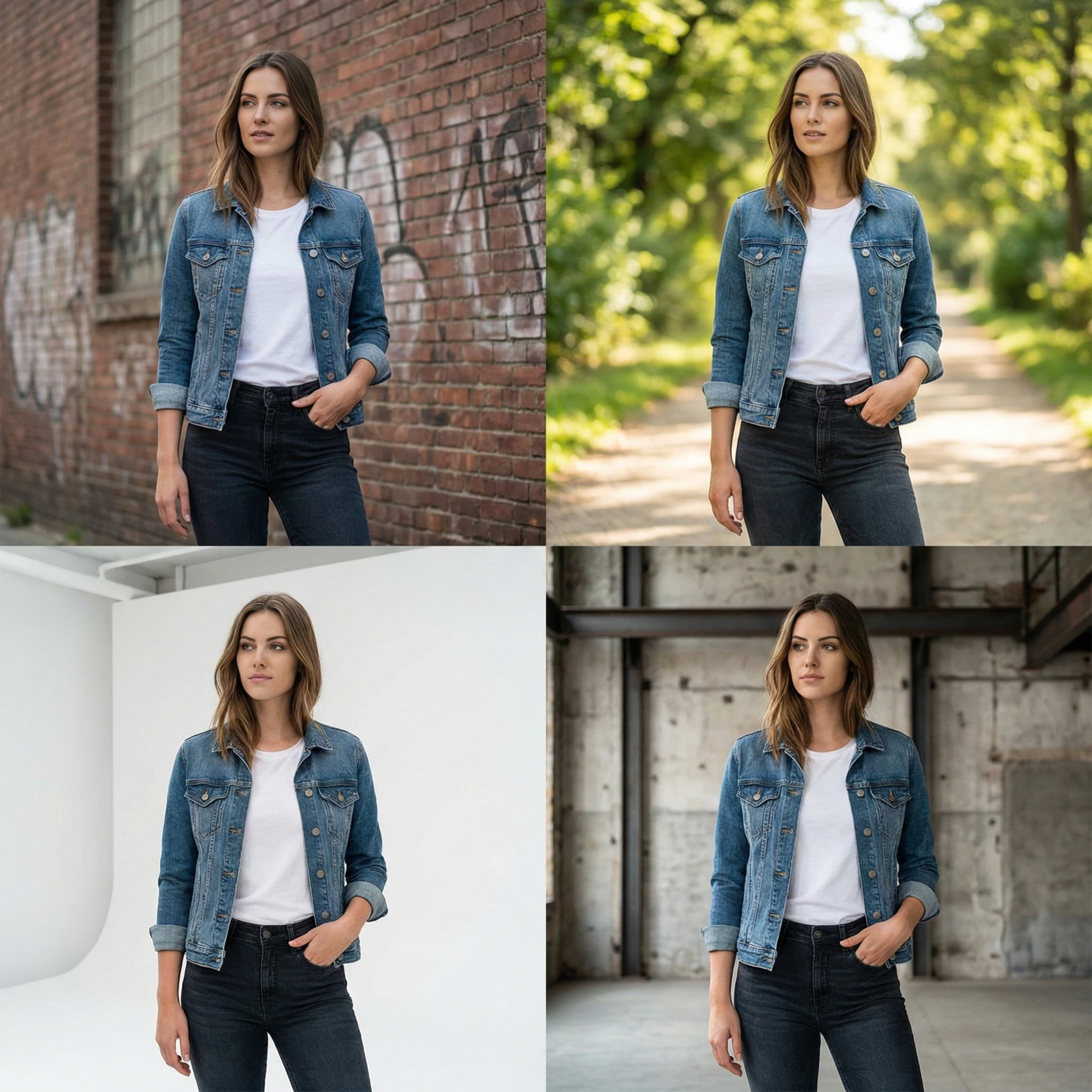
Many fashion brands assume that high-performing stores succeed because they have better products, larger budgets, or stronger brand recognition. While those factors matter, one consistent differentiator appears across successful ecommerce fashion businesses: disciplined image systems.
High-performing fashion stores do not simply use attractive images. They use images strategically to reduce risk, guide evaluation, and support decision-making.
This article examines what top-performing fashion ecommerce stores do differently with product imagery and why those differences compound over time.
1. They Design Image Order Around Buyer Psychology
Strong stores do not upload images randomly or based on creative preference.
They structure image sequences to:
- Establish immediate product clarity
- Communicate fit and proportions early
- Show complete angles before lifestyle shots
- Introduce emotional reinforcement after functional reassurance
The image sequence mirrors how shoppers evaluate garments in physical stores.
This reduces friction and increases confidence progressively.
2. They Prioritize Clarity Over Drama
High-performing stores understand that ecommerce images are decision tools.
Their visuals are:
- Evenly lit
- Proportionally accurate
- Minimally distorted
- Free from excessive styling noise
Editorial-style imagery may appear, but never at the expense of product clarity.
They treat clarity as a performance variable, not a creative compromise.
3. They Maintain Catalog-Wide Consistency
Consistency across collections is one of the clearest markers of operational maturity.
Top stores maintain:
- Stable lighting environments
- Consistent background tones
- Uniform framing and camera distance
- Standardized model presentation
This consistency improves comparison behavior and strengthens brand trust.
Customers feel that the brand operates with discipline.
4. They Show Complete Visual Coverage
High-performing stores rarely leave visual gaps.
Their listings typically include:
- Front and back views
- Side angles when relevant
- Fabric texture close-ups
- Clear fit references
- Variant-specific images
They remove the need for assumption.
Incomplete visual coverage is treated as a conversion risk.
5. They Treat Color Accuracy as a Priority
Rather than exaggerating saturation or mood, successful stores protect color fidelity.
They:
- Standardize lighting conditions
- Avoid heavy color grading
- Ensure variant accuracy
- Maintain consistency across seasons
Color accuracy reduces return rates and strengthens repeat purchasing confidence.
6. They Audit Underperforming Products Visually
When products underperform, high-performing stores do not immediately change price or copy.
They first evaluate:
- Is the primary image clear?
- Is fit communicated early enough?
- Are key details visible?
- Is the zoom functionality sufficient?
Imagery is treated as a primary lever in performance optimization.
7. They Update Images Based on Data
Successful brands do not treat product photography as static.
They update images when:
- Return rates suggest expectation gaps
- Conversion drops relative to similar items
- Catalog standards evolve
- Customer feedback indicates confusion
This continuous refinement keeps visual communication aligned with customer expectations.
8. They Separate Campaign Aesthetics From Product Clarity
High-performing stores distinguish between:
- Campaign imagery designed to build aspiration
- Product imagery designed to enable evaluation
Campaign visuals support brand identity. Product images support purchasing decisions.
Blurring these roles often creates confusion.
9. They Integrate Theme Design With Image Strategy
Strong stores ensure that their ecommerce platform enhances imagery.
They optimize:
- Image placement above the fold
- Zoom strength and responsiveness
- Thumbnail accessibility
- Mobile-first layout
They understand that image performance depends on presentation environment.
10. They View Images as Infrastructure
Most importantly, high-performing fashion stores treat images as operational infrastructure.
They understand that imagery affects:
- Conversion rates
- Return rates
- Pricing power
- Customer trust
- Long-term brand equity
Images are not a one-time creative expense. They are a system that supports scalable growth.
Final Takeaway
High-performing fashion ecommerce stores do not rely on better aesthetics alone. They build structured, consistent, and risk-aware image systems.
They reduce uncertainty before amplifying aspiration.
They prioritize clarity before creativity.
They refine images based on performance, not preference.
In fashion ecommerce, disciplined image strategy separates stable growth from inconsistent results.
Transform your fashion photography!!
Start Creating with AIRead Next

How to Track Product Image Interaction Data Inside Shopify
Most Shopify fashion brands evaluate product imagery using one metric: conversion rate. That is ins...
Best Places to Sell Fashion Online in 2026: A Complete Guide
Selling fashion online has never been more accessible, but choosing where to sell has never been mor...
Where AI Product Images Break Down in Fashion Ecommerce
AI product photography has clear operational advantages in fashion ecommerce. It reduces production ...