Shopify Image Best Practices for Fashion Stores in 2026
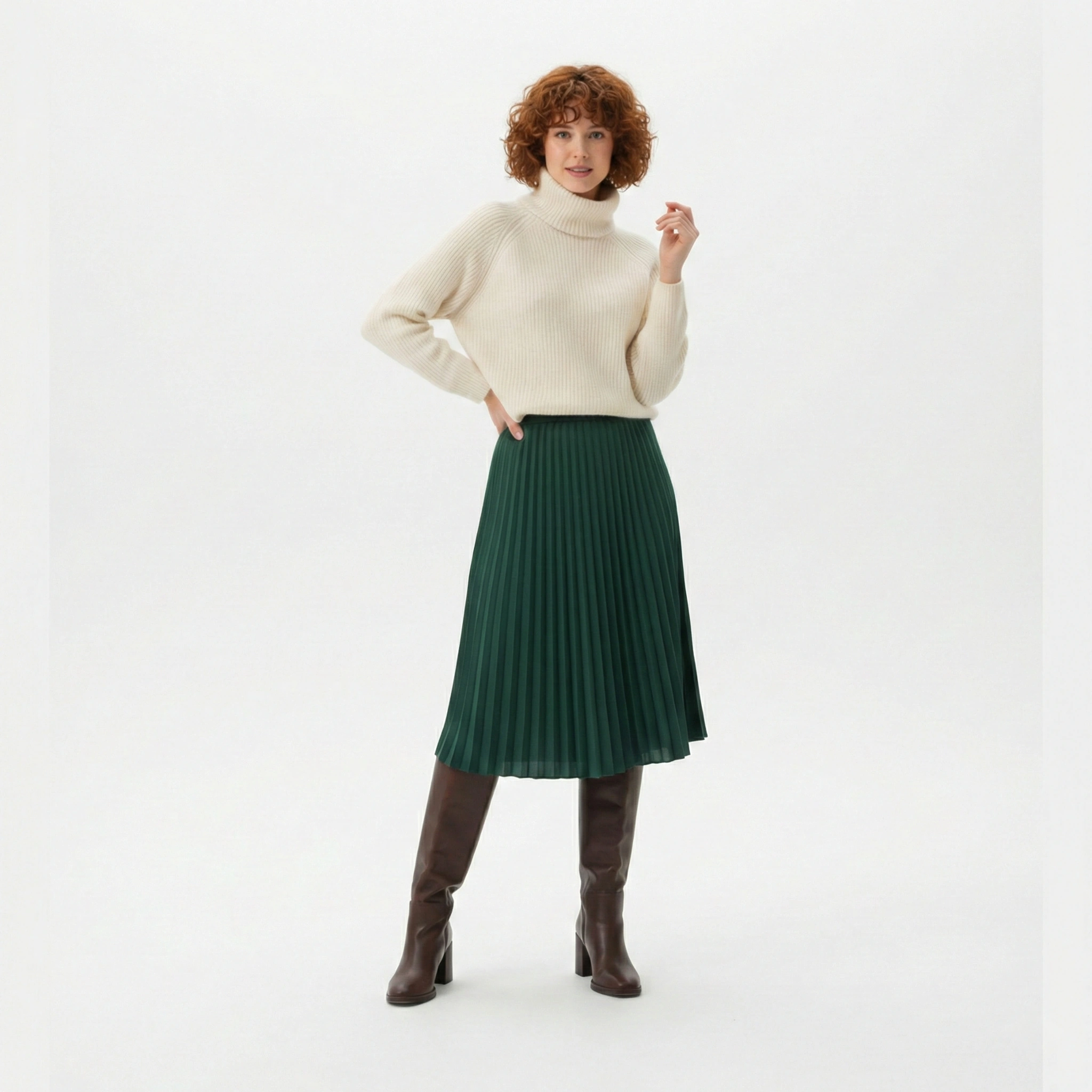
For fashion brands selling on Shopify, product images are no longer just visual assets. They are one of the strongest drivers of trust, conversion, and long-term brand value.
As customer expectations rise and competition increases, Shopify stores that follow outdated image practices struggle to convert traffic effectively. In 2026, successful fashion brands treat product imagery as a structured system designed for clarity, speed, and mobile-first shopping.
This guide outlines Shopify image best practices specifically for fashion stores, based on how real customers browse, compare, and buy apparel online today.
Why images matter more on Shopify than on marketplaces
Unlike marketplaces, Shopify stores do not benefit from built-in buyer trust. Customers decide whether to trust a brand almost instantly based on visual quality and consistency.
On Shopify, product images influence:
- First impressions of brand credibility
- Browsing depth across collections
- Add-to-cart behavior
- Willingness to return and repurchase
Strong imagery does not just help one product sell. It elevates the entire store.
Use an on-model hero image as the first product photo
The first image on a product page carries the most weight. It appears in collections, search results, ads, and social previews.
For fashion products, the highest-performing hero image is typically:
- On a real-looking model
- Shot straight-on or at a natural angle
- Clean, uncluttered, and well-lit
On-model hero images immediately communicate fit, proportion, and style. This reduces uncertainty and increases click-through and add-to-cart rates.
Follow a consistent image order across all products
Shoppers subconsciously learn how to read your product pages. A predictable image order reduces friction and helps customers find information faster.
A strong Shopify image order for fashion products is:
- On-model hero image
- Alternate on-model angle
- Back view
- Fabric or detail close-up
- Fit or size reference
Using the same order across all products builds familiarity and trust.
Optimize images for mobile-first shopping
The majority of Shopify fashion traffic comes from mobile devices, often from social media.
Mobile-optimized images should:
- Load quickly without losing clarity
- Stay sharp when zoomed
- Avoid excessive whitespace
- Clearly show the garment at smaller sizes
High-resolution images are important, but oversized files slow down page speed. Compression and proper sizing are critical for performance.
Maintain consistent lighting and color accuracy
Color mismatch is one of the most common causes of dissatisfaction and returns in fashion ecommerce.
To reduce this risk:
- Use the same lighting setup across products
- Avoid heavy color grading or filters
- Keep white balance consistent
Accurate colors build trust. Shoppers are far more forgiving of simple styling than misleading visuals.
Show fabric texture and construction details
Fashion shoppers want to understand quality, not just style.
Detail images should show:
- Fabric texture and weave
- Stitching and seams
- Thickness or stretch where relevant
These close-ups support pricing perception and reduce “not as described” complaints.
Use image consistency to strengthen brand identity
Visual consistency across your Shopify store makes the brand feel intentional and established.
Consistency includes:
- Model type or clear variation logic
- Background style
- Framing and crop ratios
- Image quality standards
When visuals feel cohesive, shoppers trust the brand more quickly, even if they have never seen it before.
Balance creativity with clarity
Shopify allows more creative freedom than marketplaces, but clarity should always come first.
Lifestyle or styled images work best when they:
- Support, not replace, clear product images
- Appear after core product visuals
- Reinforce brand identity without hiding details
Creativity should enhance understanding, not compete with it.
Prepare images to scale with your catalog
Many Shopify stores struggle as their catalogs grow because early images were not created with scale in mind.
A scalable image system:
- Works across multiple collections
- Allows new products to match existing visuals
- Avoids one-off styles that cannot be repeated
Thinking in systems rather than individual shoots prevents inconsistency as the brand grows.
Common Shopify image mistakes to avoid
Fashion brands often lose conversions due to:
- Mixing flat lay and on-model images without structure
- Using different lighting styles per collection
- Inconsistent image sizes and crop ratios
- Prioritizing aesthetics over fit clarity
Avoiding these mistakes often improves performance without any other site changes.
Final takeaway
In 2026, Shopify fashion stores succeed by treating product images as performance assets, not decoration.
The best-performing stores lead with on-model clarity, maintain visual consistency, optimize for mobile, and design image systems that scale.
When images clearly communicate fit, fabric, and proportion, customers feel confident. And confident customers convert, return less, and come back more often.
Transform your fashion photography!!
Start Creating with AIRead Next
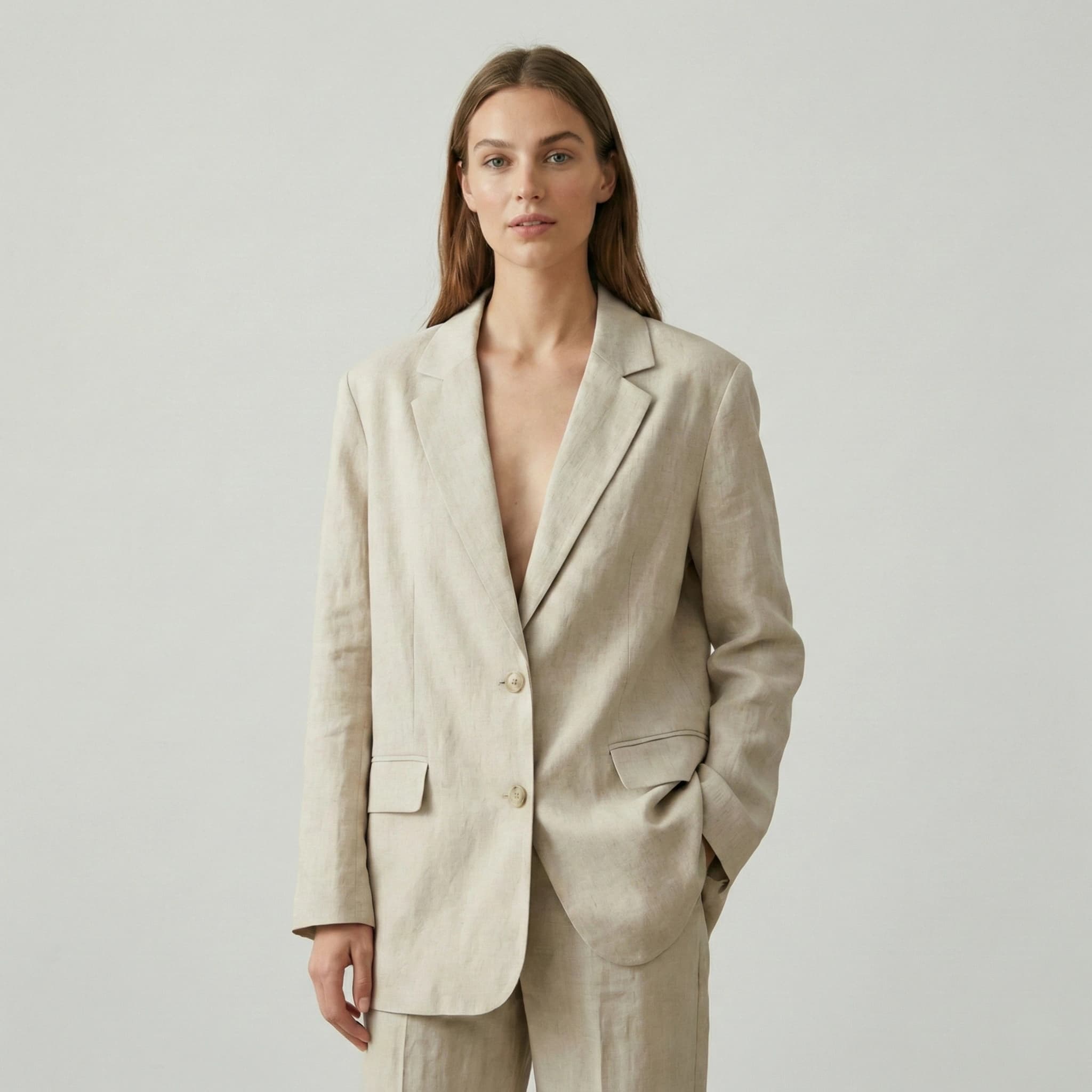
12 Essential Ways for Fashion Brands to Improve Their Website and Strengthen Their Brand in 2026
The fashion industry is more competitive than ever. New brands launch daily, trends evolve quickly, ...
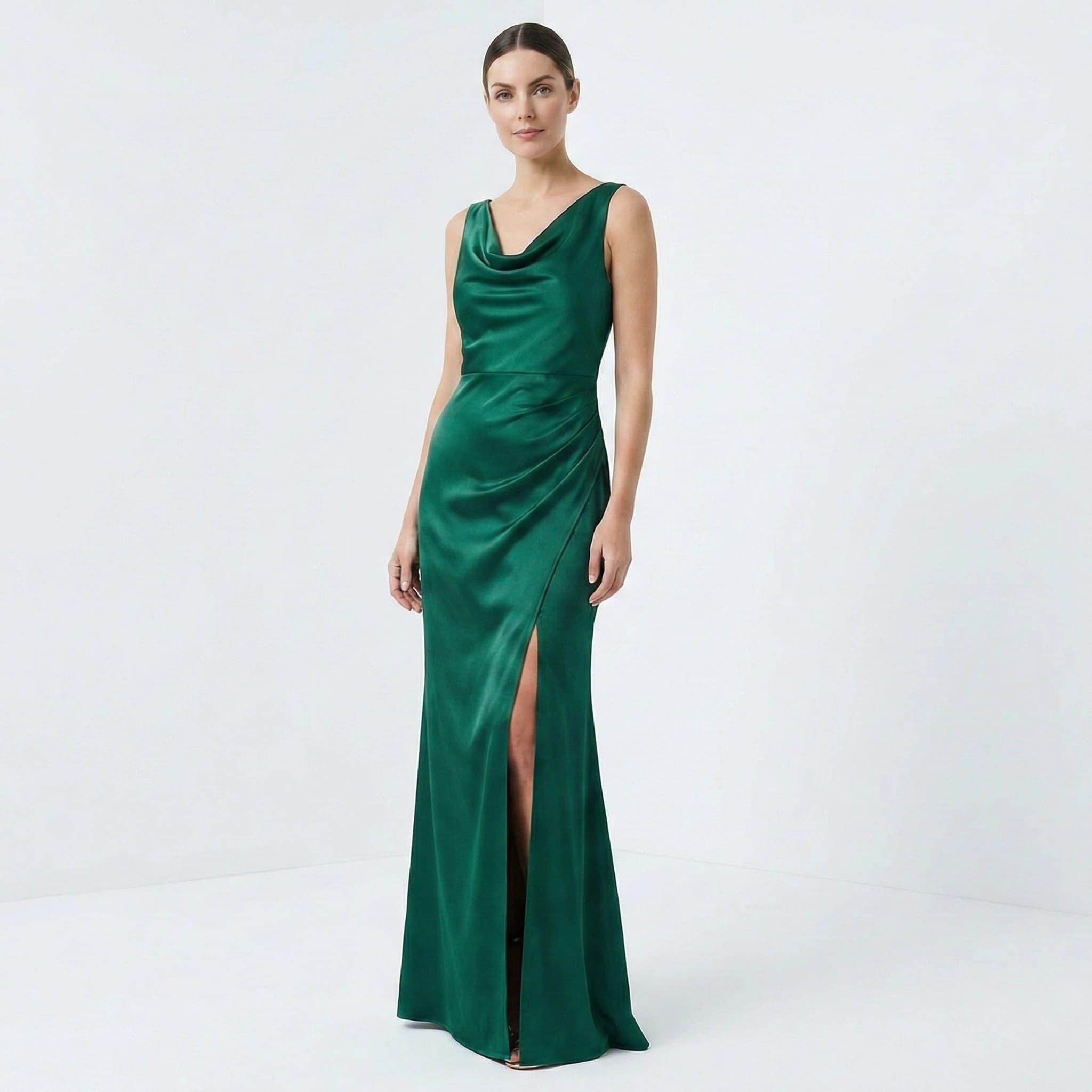
How to Combine AI Images and Real Photos Without Losing Trust
As AI product photography becomes more accessible, many fashion brands face a practical question: ho...
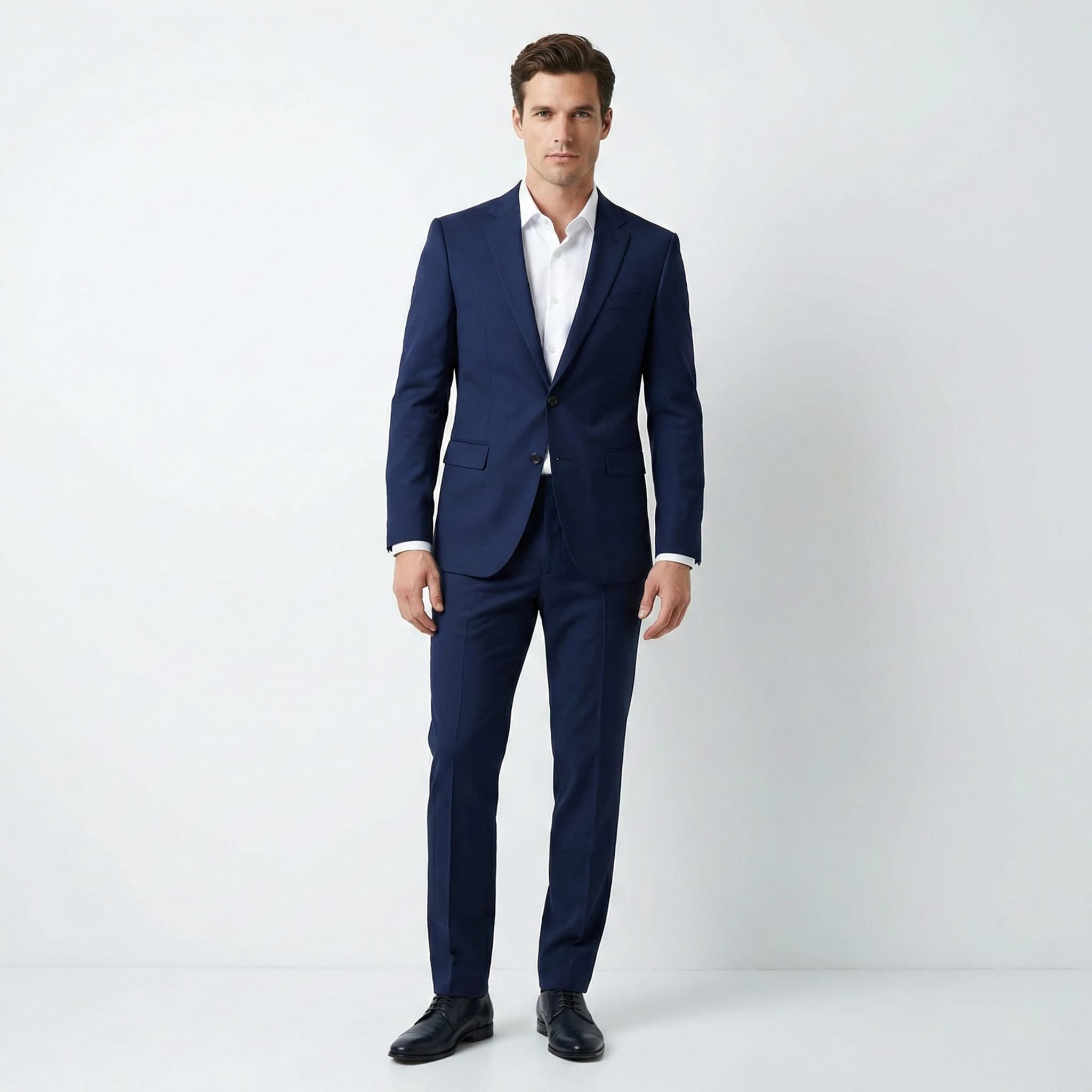
Why Shopify Theme Design Changes How Product Images Perform
Many fashion brands focus heavily on improving product images while overlooking the environment thos...