Place Your Fashion Brand as a Solution, Not an Alternative
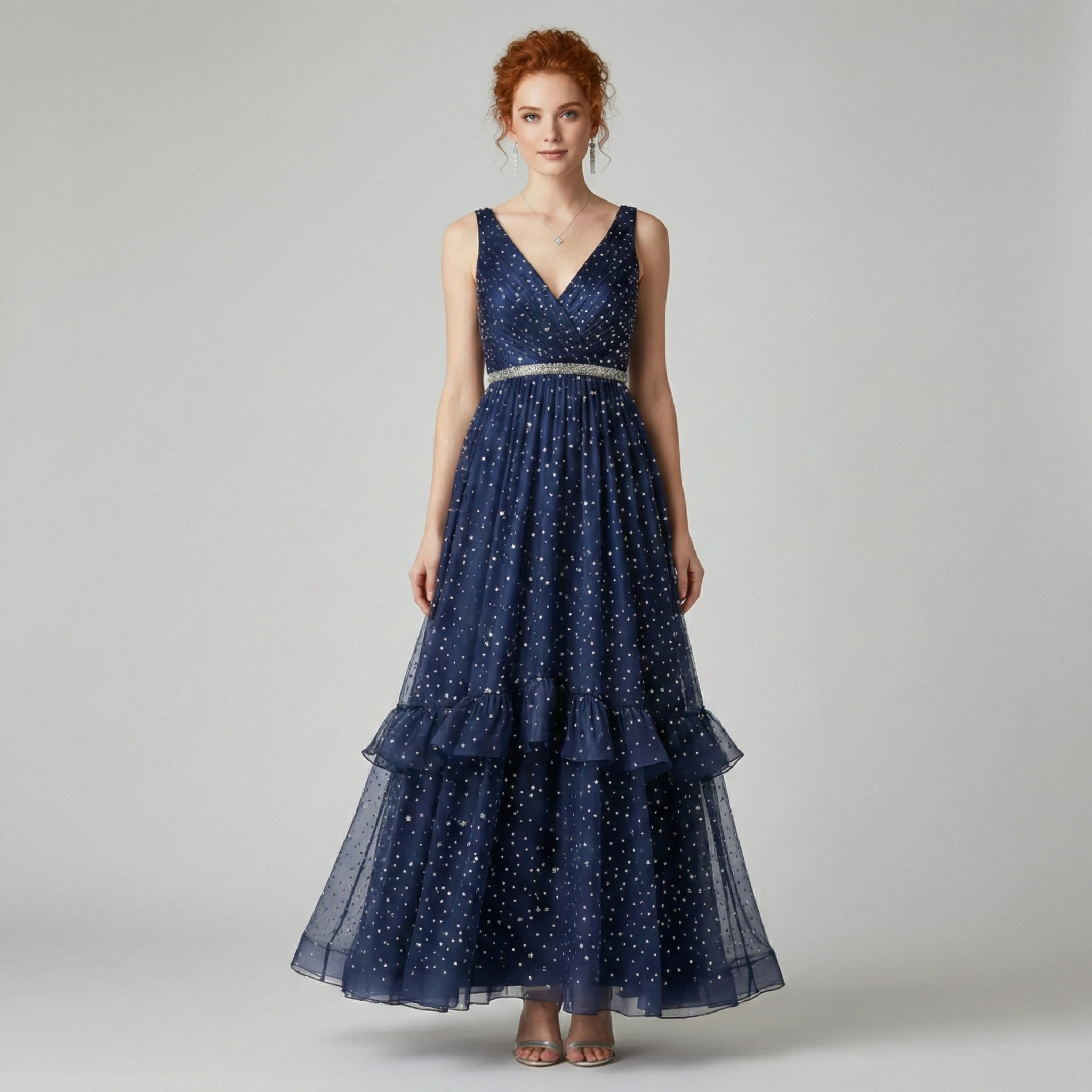
Selling fashion online today is less about which platform you use and more about how decisively your product answers customer questions at the moment of evaluation.
Whether a brand sells through a Shopify storefront or large marketplaces, the same limitation exists. Customers cannot touch the fabric, try on the garment, or assess quality in person. Every decision is made through presentation alone.
Brands that perform consistently are not perceived as one option among many. They are perceived as the clearest answer to a specific need. This difference is created through execution, not slogans or positioning statements.
What it really means to be a solution brand
A brand positioned as an alternative invites comparison.
A brand positioned as a solution reduces comparison by removing uncertainty early.
In ecommerce, buyers subconsciously assess whether a product feels complete, understandable, and aligned with their expectations. When those conditions are met quickly, decisions happen faster. When they are not, shoppers continue evaluating other listings.
Being a solution is not about louder messaging or more creativity. It is about clarity.
Why clarity consistently outperforms novelty online
Fashion ecommerce is crowded. Shoppers often see dozens of similar products within seconds. In this environment, novelty captures attention briefly, but clarity sustains performance.
Clarity answers questions buyers care about most:
- How will this garment fit on a real body
- How does the fabric behave in everyday wear
- What does the product look like from multiple angles
- How closely will the delivered item match expectations
When these questions are answered visually, the buying process moves forward. When they are not, hesitation increases and attention shifts elsewhere.
Product visuals are operational infrastructure, not decoration
Product visuals are often treated as creative assets. In reality, they function more like infrastructure.
They directly influence:
- Conversion consistency
- Return rates
- Review quality
- Paid traffic efficiency
- Perceived brand reliability
On brand-owned sites, visuals shape browsing depth, discovery, and repeat visits.
On marketplaces, visuals determine whether a listing earns trust quickly enough to compete.
In both cases, visuals do most of the work before pricing, copy, or promotions matter.
The functional role of on-model representation
On-model imagery serves a practical role beyond aesthetics.
It communicates:
- Proportion and scale
- Drape and movement
- How a garment sits on the body
- Whether the product aligns with the buyer’s self-image
For apparel, on-model visuals often become the deciding factor between comparable listings. When they are missing, buyers must imagine fit and proportion, which increases uncertainty and post-purchase dissatisfaction.
How platform behavior shapes visual requirements
Shopify-centered brands
Shoppers on brand-owned stores tend to explore within a single ecosystem. They browse collections, compare products internally, and revisit items over time.
Visuals are most effective when they:
- Maintain consistency across the catalog
- Reflect a cohesive brand identity
- Use on-model imagery to reinforce positioning
- Keep new products visually aligned with existing ones
On Shopify, visuals support long-term brand value as much as immediate conversion.
Marketplace-centered brands
Marketplace shoppers evaluate across brands and make decisions quickly.
Visuals perform best when they:
- Use neutral lighting and accurate color
- Show clear on-model fit
- Include multiple angles and detail shots
- Provide visual cues for size and material
Listings that reduce uncertainty tend to perform more steadily and experience fewer return fluctuations.
Where traditional photoshoot workflows fall short
Traditional photoshoots remain valuable, but their limitations become more visible as catalogs grow.
Common constraints include:
- High cost per product or variation
- Long delays between product readiness and launch
- Inconsistent models across collections
- Difficulty updating visuals for new platforms or regions
These issues often result in incomplete image sets, delayed launches, or reliance on outdated visuals.
Mockups and digital visuals as scaling systems
Mockups and digitally generated visuals are often misunderstood as shortcuts. In practice, they function as control systems for growing catalogs.
When used correctly, they allow brands to:
- Launch products faster
- Maintain consistent on-model representation
- Adapt visuals for different platforms
- Test presentation before scaling
- Update imagery without restarting production cycles
This flexibility supports speed and consistency, which is why many fashion brands rely on digital workflows to scale visual execution efficiently.
Visual consistency as a trust-building mechanism
Trust in online fashion commerce is built through repetition.
When buyers encounter the same level of clarity across products, collections, and platforms, confidence increases. Consistency in model type, framing, lighting, and color accuracy creates a recognizable visual system that signals reliability.
Over time, this consistency makes the brand feel familiar, even to first-time shoppers.
How solution positioning works in practice
Brands that scale effectively align three layers:
1.Product clarity
Buyers understand what they are purchasing without additional effort.
2.Scalable visual systems
On-model imagery, mockups, and product photos are designed to work at scale rather than as one-off executions.
3.Platform-aligned execution
Visual presentation reflects how buyers behave on each platform.
When these layers work together, the brand competes on certainty rather than comparison.
Final perspective
Fashion ecommerce has matured. Clarity is no longer optional. It is expected.
Brands that position themselves as solutions do so by leveraging smart tools and reducing doubt through execution. In this environment, visual systems are not supporting assets. They are core infrastructure for selling fashion online at scale.
Transform your fashion photography!!
Start Creating with AIRead Next
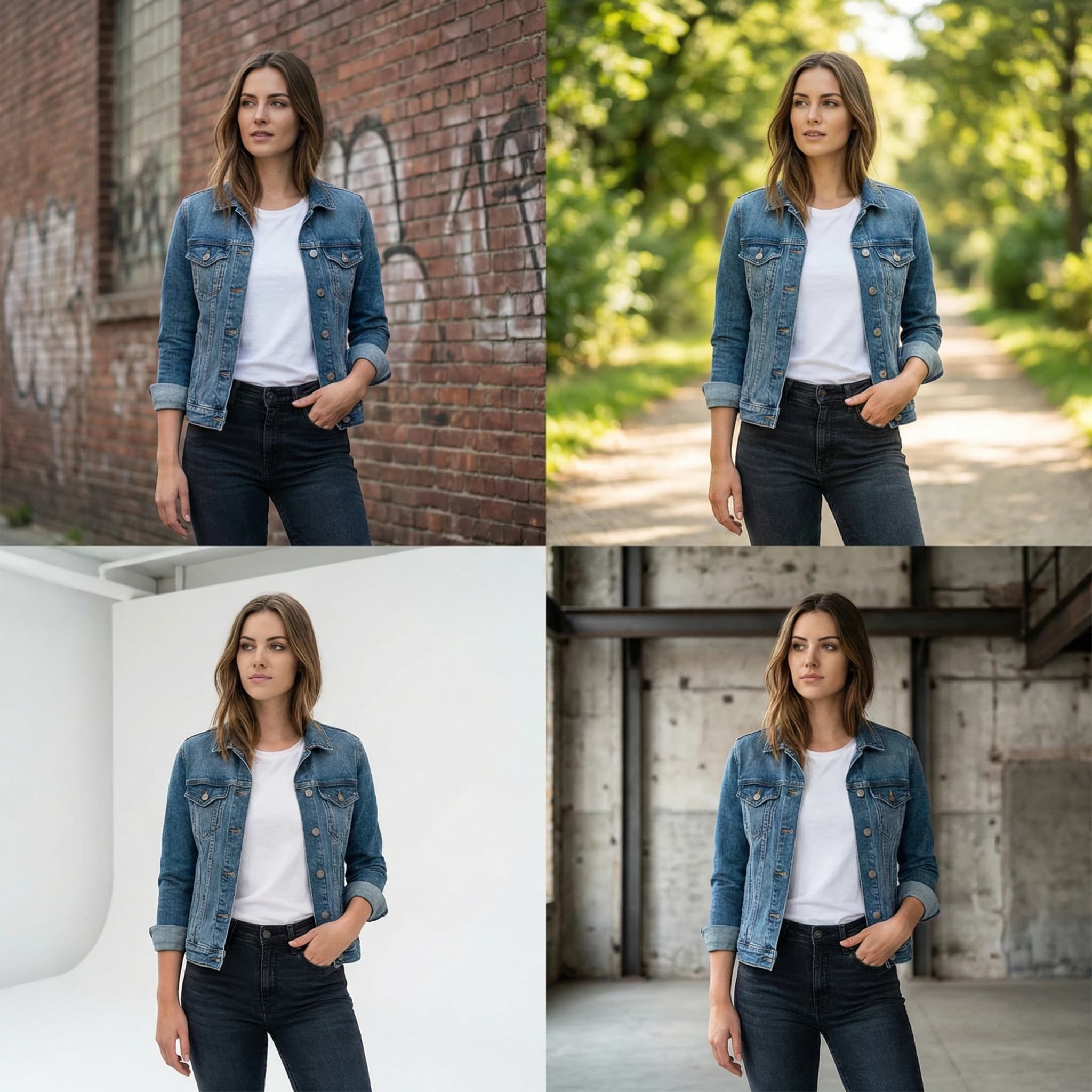
What High-Performing Fashion Stores Do Differently With Images
Many fashion brands assume that high-performing stores succeed because they have better products, la...

How Shopify Image Rendering Affects Fabric and Texture Perception
In fashion ecommerce, fabric is value. Weight, softness, thickness, stretch, drape, and finish all ...
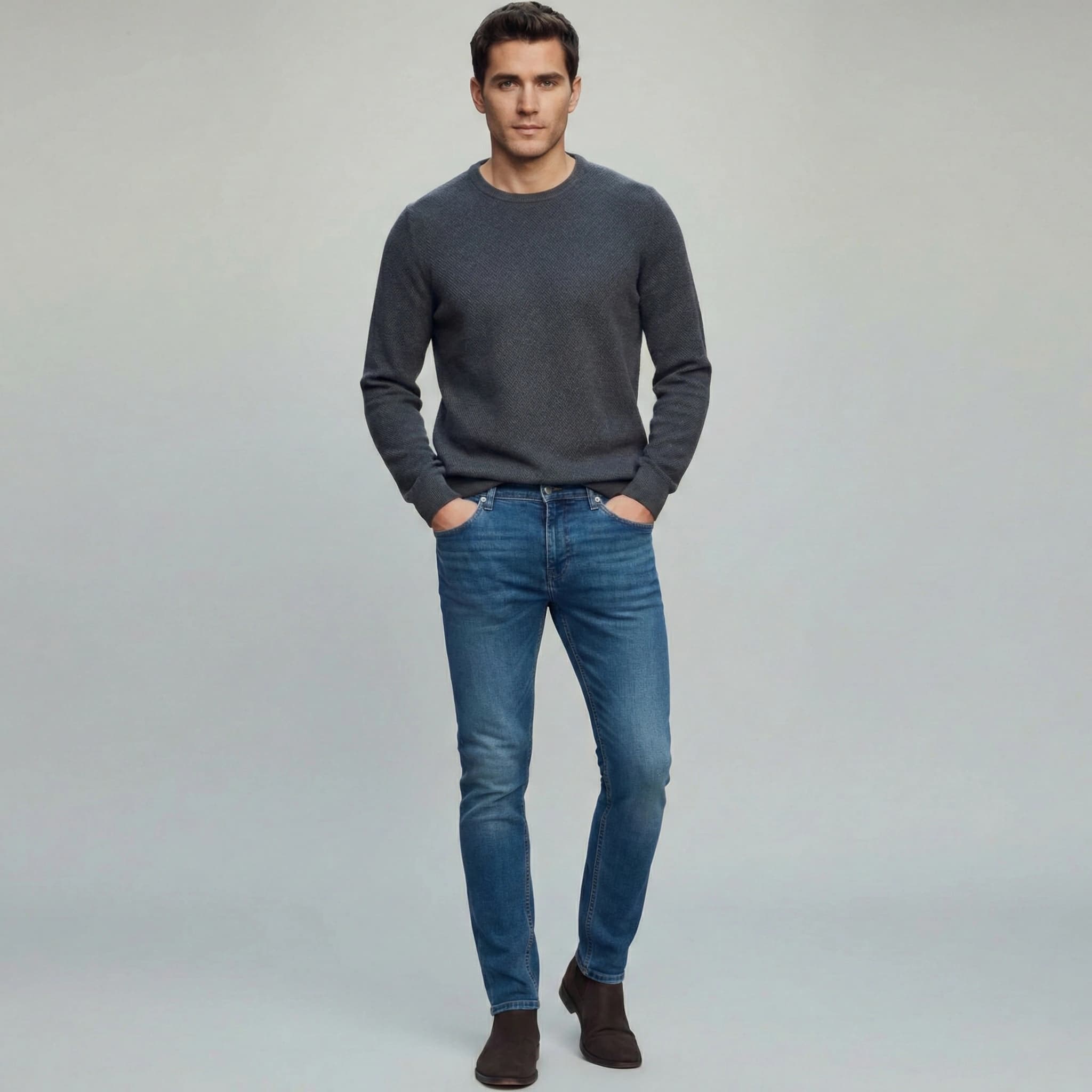
The Future of E-commerce Product Photography: How AI Is Reshaping Online Retail
E-commerce product photography has evolved far beyond simple catalog images. Today, product visuals ...