The Psychology of Buying Clothes Online (And Why Images Matter Most)
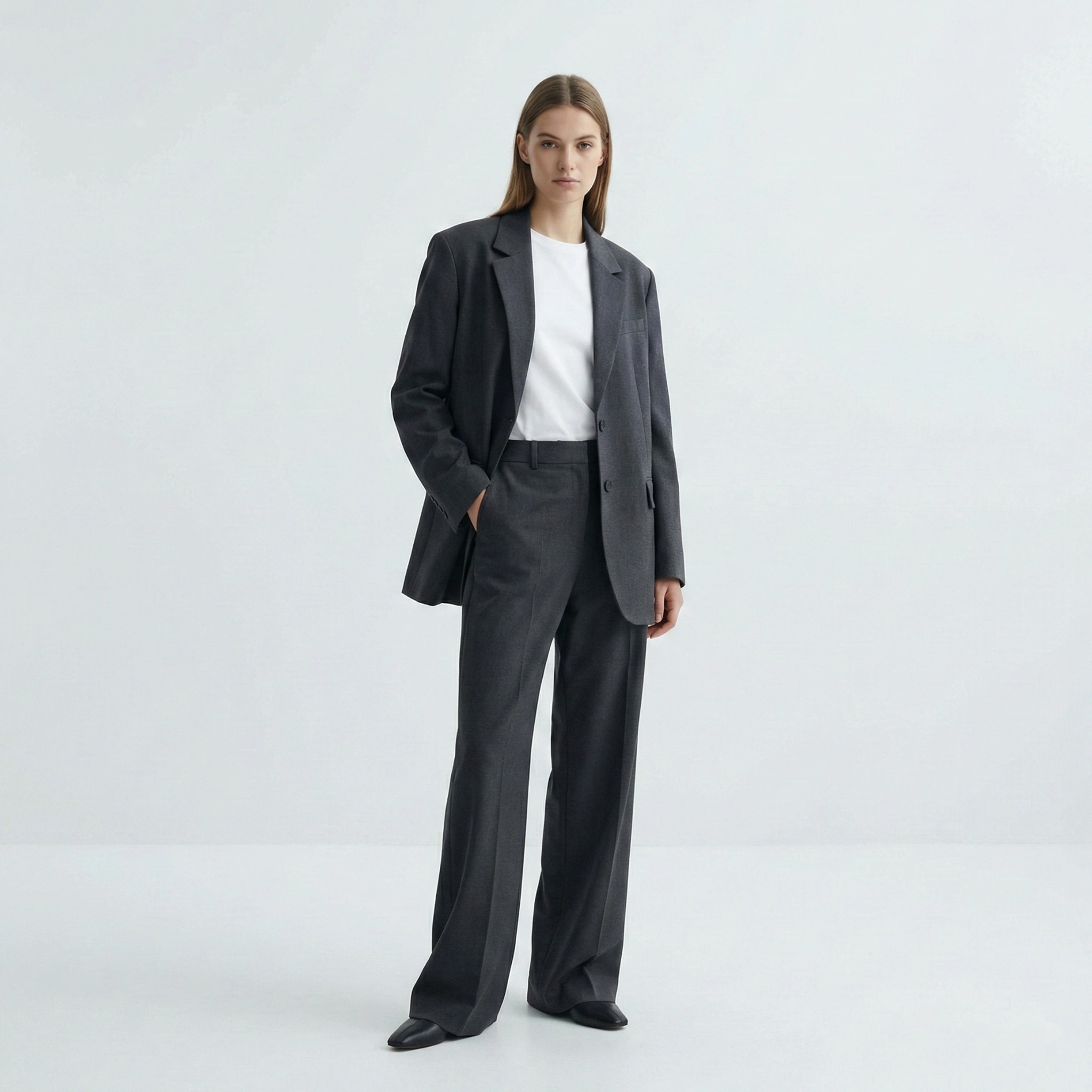
Buying clothes online is not a purely rational decision. It is a psychological process shaped by emotion, risk assessment, self-image, and trust. Because shoppers cannot touch fabric or try garments on, visual information becomes the primary driver of confidence.
This article breaks down how customers psychologically evaluate fashion products online and explains why product images play a more decisive role than copy, pricing, or promotions.
Understanding this process helps fashion brands design product pages that reduce hesitation, improve conversion rates, and lower returns.
Why fashion purchases feel risky online
Clothing is personal. Fit, comfort, and appearance directly affect how someone feels wearing an item. Online, shoppers must commit without physical confirmation.
As a result, fashion ecommerce buyers experience:
- Fear of poor fit
- Uncertainty about fabric quality
- Concern about color accuracy
- Anxiety about how the garment will look on their body
The brain responds to this uncertainty by slowing decision-making or avoiding commitment altogether.
How the brain evaluates fashion products online
When a shopper lands on a product page, the brain performs a rapid evaluation before any conscious comparison begins.
It asks:
- Does this feel real and trustworthy
- Can I understand how this will look on me
- Does this brand feel reliable
- Is the risk of disappointment low
If these questions are answered visually within seconds, the shopper continues. If not, hesitation sets in.
Why images matter more than words in fashion ecommerce
Text explains. Images convince.
Product descriptions can describe fit, fabric, and style, but images allow shoppers to visualize themselves wearing the item. Visualization reduces psychological distance between the shopper and the product.
This is why:
- Shoppers scan images before reading copy
- Image clarity influences trust faster than text
- Poor visuals override even strong descriptions
In fashion ecommerce, images are the primary decision-making tool.
The role of self-image in buying decisions
Fashion purchases are closely tied to identity. Shoppers are not only buying clothing, they are buying how they will look and feel.
On-model images help buyers answer a critical question:
- Can I see myself in this
When shoppers can visualize themselves wearing an item, emotional alignment increases and resistance decreases.
Flat or abstract imagery forces shoppers to imagine the outcome themselves, increasing cognitive effort and doubt.
How on-model images reduce cognitive load
Cognitive load refers to the mental effort required to make a decision.
On-model images reduce cognitive load by:
- Showing proportion and scale instantly
- Demonstrating how fabric drapes
- Clarifying length and silhouette
- Providing real-world context
When less mental effort is required, decisions feel easier and faster.
Why multiple angles increase confidence
The brain seeks completeness before committing. Single images feel incomplete and raise suspicion.
Multiple angles reassure shoppers that nothing is being hidden. Front, back, side, and detail views create a sense of transparency.
Transparency builds trust, and trust accelerates decisions.
The psychology behind returns
Most returns are psychological, not logistical.
They happen when the delivered product violates expectations formed during the buying process. These expectations are created primarily by images.
Clear, realistic images align expectation with reality. When alignment exists, satisfaction increases and returns decrease.
Why consistency reinforces trust
The human brain looks for patterns to determine reliability.
When product images are consistent across a store, shoppers subconsciously interpret the brand as:
- Organized
- Professional
- Reliable
Inconsistent visuals trigger doubt, even when products are well made.
Consistency lowers perceived risk and increases confidence across the entire catalog.
Emotional reassurance beats persuasion
Discounts and urgency tactics attempt to push decisions. Clear images pull decisions forward naturally.
Shoppers feel safer buying when they understand what they are getting. Safety is a stronger motivator than persuasion in fashion ecommerce.
Final takeaway
Fashion ecommerce success is rooted in psychology. Shoppers buy when fear is reduced, confidence is built, and visualization feels effortless.
Product images do the majority of this work. They reduce uncertainty, align expectations, and support emotional connection.
Brands that design their imagery around how the brain evaluates risk and identity create product pages that convert more consistently and return less often.
Transform your fashion photography!!
Start Creating with AIRead Next
Accuracy vs Speed: The Core Tradeoff in AI Fashion Imagery
AI fashion imagery promises speed. Faster launches, quicker iteration, lower production friction. Fo...
How Fashion Brands Can Use AI Models to Reduce Photoshoot Costs and Scale Faster
Fashion brands operate in a high-pressure environment where speed, cost efficiency, and visual quali...
A Fashion Founder’s Image Checklist Before Launching a Store
Launching a fashion store is not just about having products ready. It is about whether shoppers can ...