Why Shopify Theme Design Changes How Product Images Perform
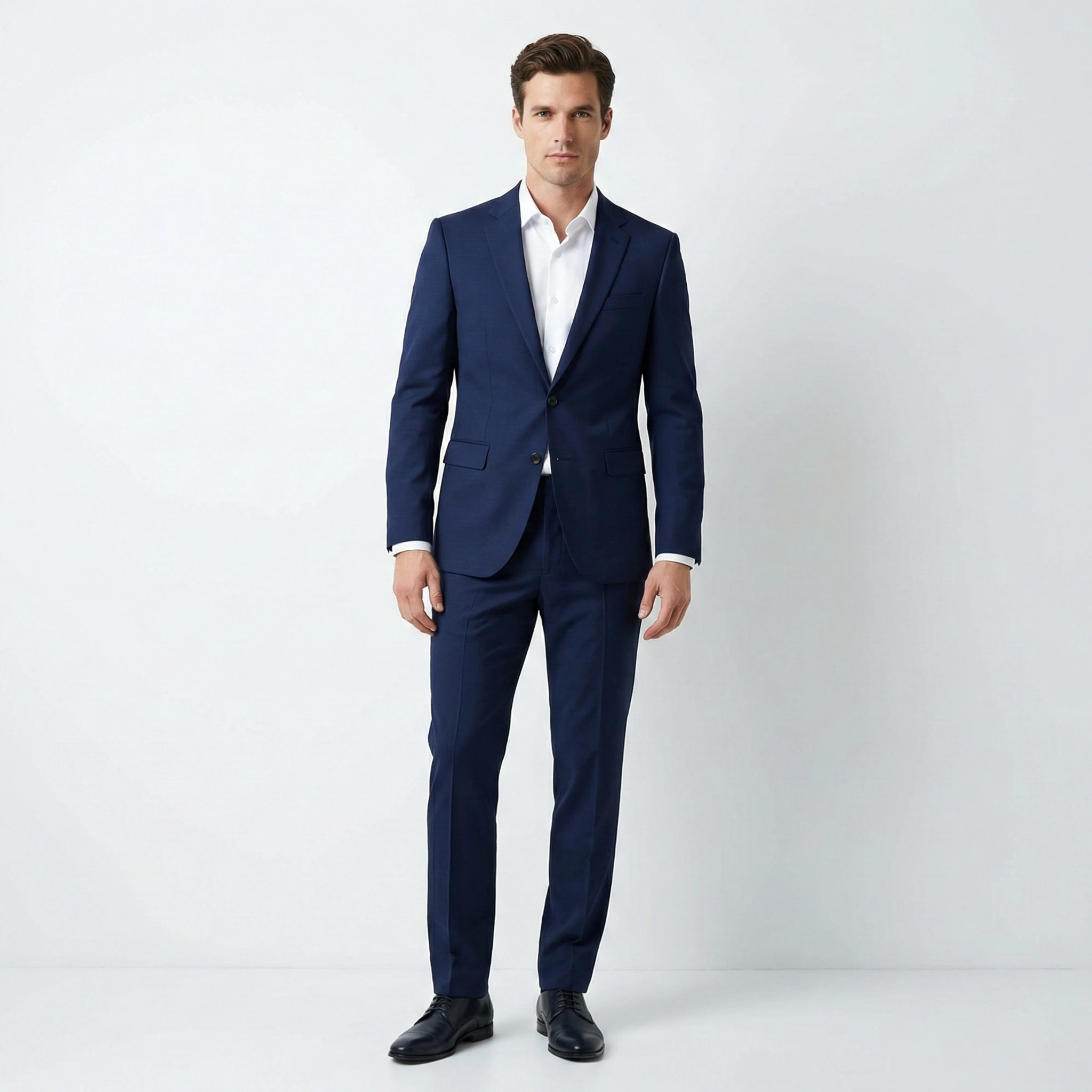
Many fashion brands focus heavily on improving product images while overlooking the environment those images live in. On Shopify, theme design directly influences how product images are perceived, interpreted, and trusted.
The same image can perform differently depending on layout, spacing, zoom behavior, mobile structure, and visual hierarchy. Image quality alone does not determine conversion. Presentation context shapes how that quality is processed.
This article explains why Shopify theme design materially changes product image performance and how fashion brands should evaluate theme-image alignment.
Images Do Not Exist in Isolation
Product images are always interpreted within a visual system.
On Shopify, theme structure controls:
- Image size and aspect ratio
- Cropping behavior
- Thumbnail placement
- Scroll direction
- Zoom mechanics
- Mobile stacking order
These variables influence clarity, perceived professionalism, and ease of evaluation.
If theme design undermines clarity, even strong images lose effectiveness.
Layout Determines Cognitive Load
Fashion shoppers evaluate products visually before reading text. If the layout increases friction, decision-making slows.
Theme design affects:
- Whether images dominate above the fold
- How quickly alternate angles are accessible
- Whether detail shots feel secondary or hidden
- How easily users compare images
Layouts that bury thumbnails or force excessive scrolling increase cognitive load. Increased effort reduces confidence.
Aspect Ratio and Cropping Distort Fit Perception
Many Shopify themes apply fixed aspect ratios. If images are not optimized for that ratio, garments may appear:
- Narrower or wider than intended
- Shorter due to vertical cropping
- Misaligned relative to the model
Small distortions in proportion can affect how shoppers interpret fit, especially for dresses, outerwear, and tailored pieces.
Theme constraints must be considered during image production.
Zoom Behavior Affects Fabric Trust
Zoom functionality is a critical trust feature for fashion ecommerce.
Themes differ in:
- Magnification strength
- Image resolution handling
- Hover versus click zoom
- Mobile zoom responsiveness
If zoom feels weak or pixelated, fabric credibility drops. If zoom is too aggressive or clumsy, evaluation becomes frustrating.
Fabric confidence often determines whether shoppers proceed or exit.
Thumbnail Structure Shapes Evaluation Flow
Thumbnail positioning changes how shoppers move through images.
For example:
- Vertical thumbnails encourage structured scanning
- Horizontal carousels encourage rapid swiping
- Hidden thumbnails reduce exploration
If important angles or detail shots are difficult to access, shoppers may assume they do not exist.
Theme structure should support intentional image sequencing.
Mobile Layout Has Disproportionate Impact
A majority of fashion ecommerce traffic occurs on mobile.
On mobile, themes control:
- Image stacking order
- Swipe behavior
- Initial image size
- Interaction between images and product descriptions
If mobile layouts prioritize text before images or compress image size excessively, early-stage clarity is compromised.
Mobile presentation is not a scaled-down version of desktop. It is often the primary experience.
Visual Density Influences Brand Perception
Theme design also affects spacing and visual density.
Crowded layouts:
- Reduce perceived premium positioning
- Compress images unnaturally
- Increase visual noise
Overly sparse layouts:
- Push important images below the fold
- Reduce immediate clarity
Balance matters. Spacing influences how confidently shoppers interpret images.
Why Image Performance Changes After Theme Switches
Brands often switch Shopify themes to improve aesthetics without realizing that image performance may shift.
Common outcomes include:
- Lower conversion due to altered image order
- Higher returns due to reduced detail visibility
- Changes in scroll depth behavior
- Increased bounce rates on mobile
If theme changes are not accompanied by image audits, performance can decline even when design looks cleaner.
How to Evaluate Theme and Image Alignment
Fashion brands should assess:
- Does the theme prioritize image clarity above the fold?
- Are critical detail shots easy to access?
- Is zoom functionality strong and responsive?
- Does mobile presentation preserve fit and proportion accuracy?
- Are images cropped or distorted by default settings?
Theme design should amplify image strengths, not introduce friction.
Strategic Implications for Fashion Brands
Images and theme design must be developed as an integrated system.
When choosing or customizing a Shopify theme:
- Define image standards first
- Test how images render across devices
- Adjust aspect ratios intentionally
- Optimize thumbnail and zoom behavior
- Monitor conversion changes after theme updates
Visual presentation is infrastructure, not decoration.
Final Takeaway
Shopify theme design changes how product images are perceived, evaluated, and trusted.
The same image can convert well or poorly depending on layout, zoom mechanics, and mobile structure.
Fashion brands that treat images and theme design as a unified system create smoother evaluation experiences, stronger trust signals, and more consistent conversion performance.
Transform your fashion photography!!
Start Creating with AIRead Next

How to Track Product Image Interaction Data Inside Shopify
Most Shopify fashion brands evaluate product imagery using one metric: conversion rate. That is ins...
Image Consistency Across Collections and Why It Matters More Than Style
Fashion brands often prioritize creative direction for each new collection. Different moods, setting...
The Future of E-commerce Product Photography: How AI Is Reshaping Online Retail
E-commerce product photography has evolved far beyond simple catalog images. Today, product visuals ...