The Future of E-commerce Product Photography: How AI Is Reshaping Online Retail
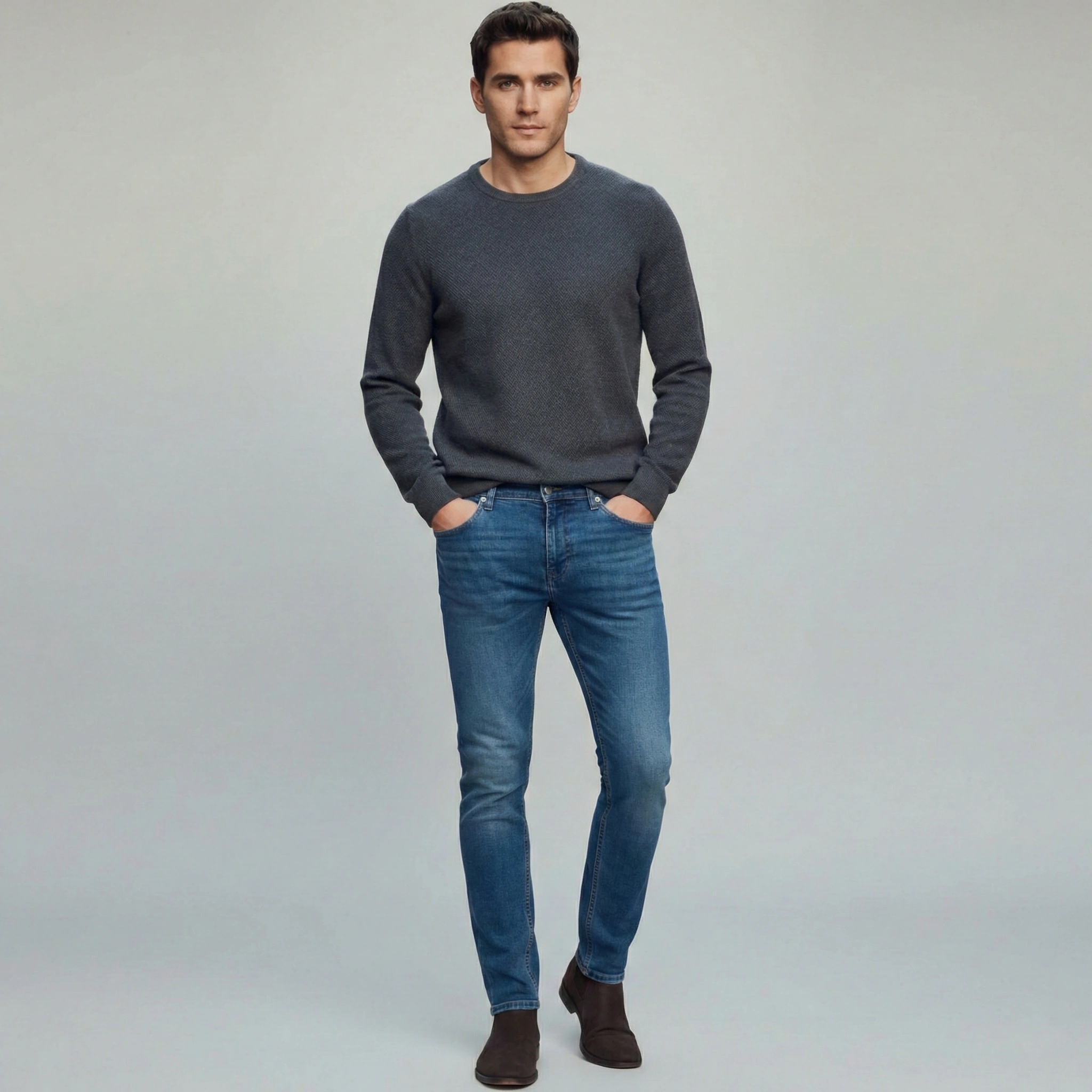
E-commerce product photography has evolved far beyond simple catalog images. Today, product visuals play a direct role in building trust, communicating quality, and driving conversions across online stores and marketplaces.
As competition increases and customer expectations rise, brands are rethinking how they create, manage, and scale product imagery. One of the most significant shifts shaping this evolution is the adoption of AI-powered product photography.
This article explores the key trends defining the future of e-commerce product photography and explains why AI-driven photoshoots are becoming a critical part of modern retail operations.
Why product photography matters more than ever in e-commerce
In physical stores, customers can touch, feel, and try products before buying. Online, product images must replace that experience.
High-quality product photography helps customers:
- Understand fit, texture, and proportions
- Build confidence in product quality
- Make faster purchase decisions
Poor or inconsistent images lead to hesitation, abandoned carts, and higher return rates. As a result, visuals are no longer just a design element but a core conversion tool.
The rise of AI in e-commerce product photography
Artificial intelligence is transforming how e-commerce businesses operate, from logistics and personalization to customer support. Product photography is now part of that transformation.
AI-powered photography tools allow brands to generate high-quality product images without traditional studio setups, models, or long production cycles. Instead of relying solely on manual photoshoots, businesses can now create realistic, consistent visuals using AI-driven workflows.
This shift enables brands to reduce costs, speed up production, and scale imagery across large catalogs with far greater efficiency.
Meeting modern customer expectations for image quality
Today’s online shoppers expect clean, consistent, and professional product images across every touchpoint.
In crowded marketplaces and competitive storefronts, product photos often determine whether a shopper clicks, scrolls, or exits. AI-powered image generation helps brands meet these expectations by delivering:
- Consistent lighting and backgrounds
- Accurate color representation
- High-resolution, platform-ready images
When visuals clearly represent the product, customers feel more confident in their purchase decisions.
Creating visual variety without added complexity
E-commerce brands need more than one image per product. Different use cases require different visuals.
AI-powered product photography makes it easier to generate:
- On-model images that show real-world fit
- Lifestyle-style visuals for marketing campaigns
- Seasonal and promotional variations
- Multiple angles and close-up details
This flexibility allows brands to keep their product imagery fresh and relevant without scheduling new photoshoots for every campaign or update.
Faster go-to-market for new products and collections
Speed is a competitive advantage in e-commerce. Brands that launch faster can capture demand, respond to trends, and test products more effectively.
Traditional photography workflows often slow this process due to planning, shooting, editing, and approvals. AI-driven photography significantly reduces these timelines, enabling brands to move from product-ready to market-ready much faster.
This is especially valuable for fashion, seasonal collections, and fast-moving product categories.
The impact on sales, SEO, and customer experience
High-quality product images influence more than aesthetics. They directly affect business performance.
Well-optimized visuals contribute to:
- Higher conversion rates
- Improved customer satisfaction
- Lower return rates
- Better image-based SEO and discoverability
Search engines increasingly prioritize rich, high-quality content. Optimized product images help improve visibility in search results, increase click-through rates, and drive qualified traffic to product pages.
Why AI-powered photography is becoming a standard, not a trend
AI in product photography is no longer experimental. It is becoming a standard tool for brands that want to scale efficiently while maintaining visual quality.
By combining accuracy, consistency, and speed, AI-powered solutions help e-commerce businesses stay competitive in an environment where visuals strongly influence buying behavior.
For teams looking to modernize their product imagery workflows, adopting AI-driven photography is a practical step toward long-term growth.
Final thoughts
The future of e-commerce product photography is centered on clarity, speed, and scalability. Brands that invest in smarter visual workflows are better positioned to meet customer expectations and adapt to market changes.
As product catalogs grow and competition intensifies, leveraging AI to create consistent, high-quality product images is becoming an essential part of building trust and driving sales online.
Transform your fashion photography!!
Start Creating with AIRead Next

How to Track Product Image Interaction Data Inside Shopify
Most Shopify fashion brands evaluate product imagery using one metric: conversion rate. That is ins...
The Psychology of Buying Clothes Online (And Why Images Matter Most)
Buying clothes online is not a purely rational decision. It is a psychological process shaped by emo...
Color Accuracy in Fashion Product Photos and Its Impact on Returns
Color accuracy is one of the most underestimated factors in fashion ecommerce performance. Many bran...